

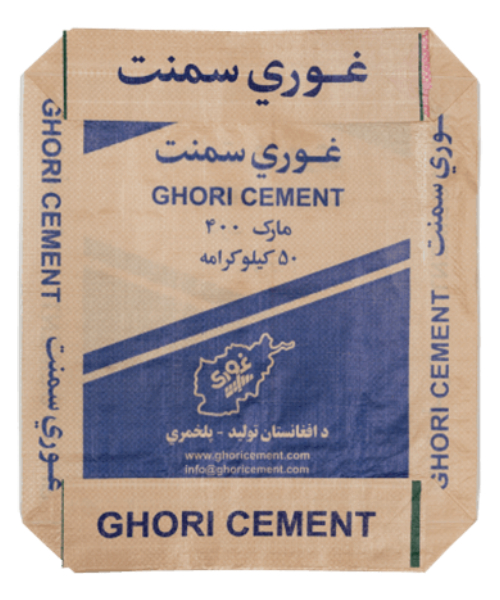
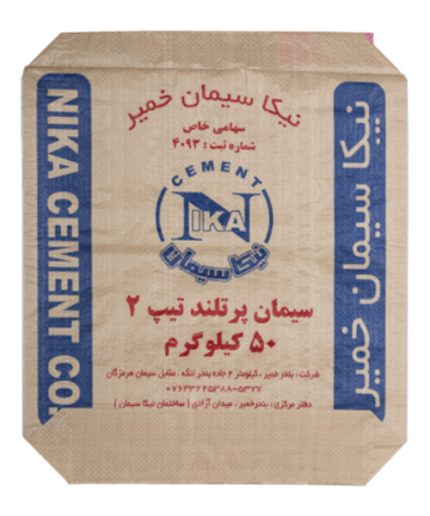
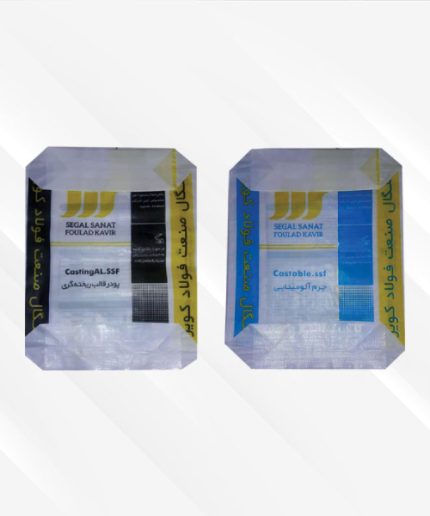
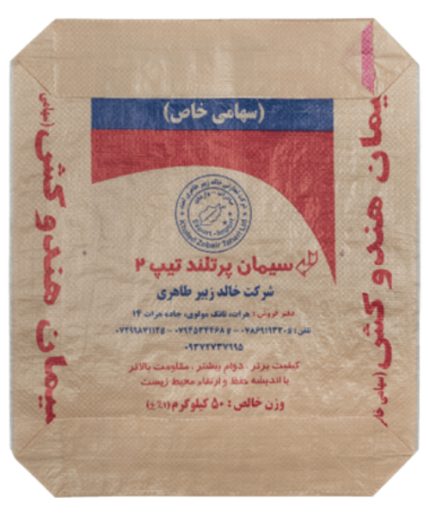
A Valve PP Bag for Cement is a specialized type of packaging made from polypropylene (PP), designed to store and transport powdered materials like cement safely and efficiently. The unique valve design allows for quick and secure filling, often using automated machinery, which helps reduce spillage and improve packing speed in industrial settings.
Unlike traditional open-mouth bags, valve PP bags are sealed by pressure after filling—usually without the need for sewing or tying. This makes them a preferred choice in the cement industry where high-speed filling and dust control are crucial. The polypropylene fabric adds durability, tear resistance, and protection against moisture, which is essential for maintaining cement quality during storage and transport.
Whether for bulk supply or retail packaging, valve PP cement bags offer a reliable solution that meets both economic and logistical demands in construction and manufacturing sectors.
Key Features of Valve PP Cement Bags
Valve PP cement bags are designed to meet the demanding requirements of cement packaging and transportation. Here are the most important features that make them a preferred choice in the construction and manufacturing industries:
1. Durability and Tear Resistance
Made from woven polypropylene, these bags are extremely strong and resistant to tearing or puncturing during handling, loading, or transportation.
2. Moisture Resistance
Cement is highly sensitive to moisture. Valve PP bags often come with laminated layers or special coatings that protect the contents from humidity, rain, and water absorption.
3. Efficient Valve Closure System
The self-closing valve design ensures fast filling and automatic sealing, which reduces dust leakage and minimizes the need for manual sealing or stitching.
4. High Load-Bearing Capacity
These bags are capable of carrying 25 to 50 kg of cement without deformation or failure, ensuring safety in stacking and shipping.
5. Printable Surface for Branding
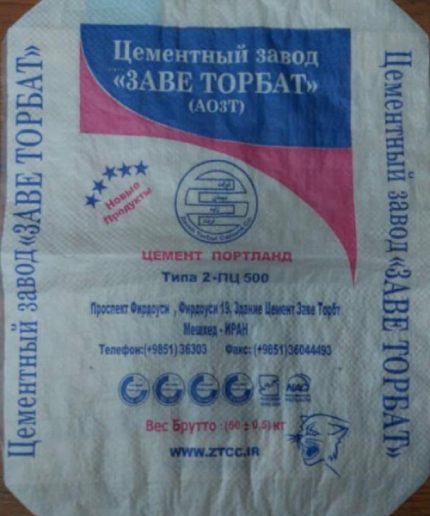
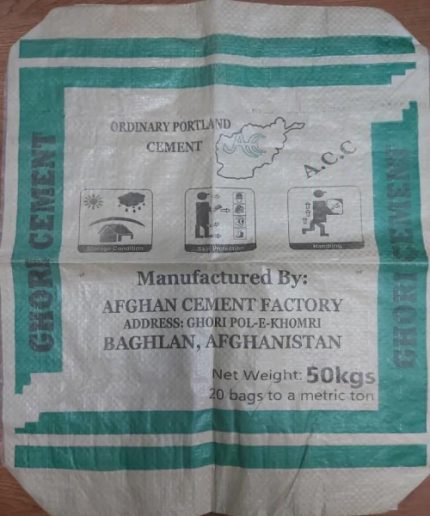
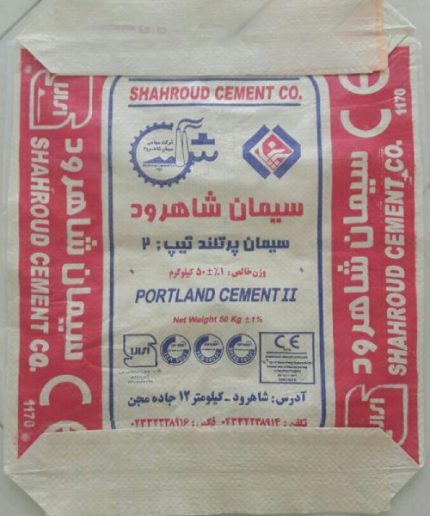
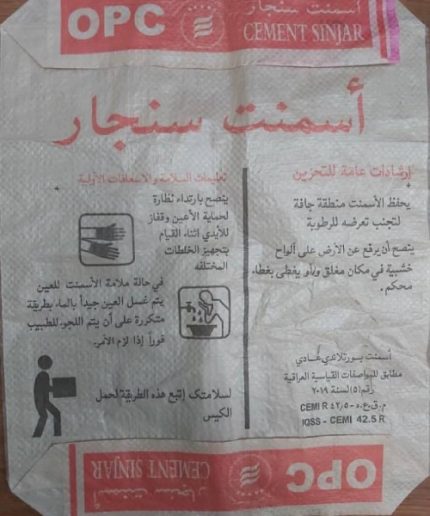
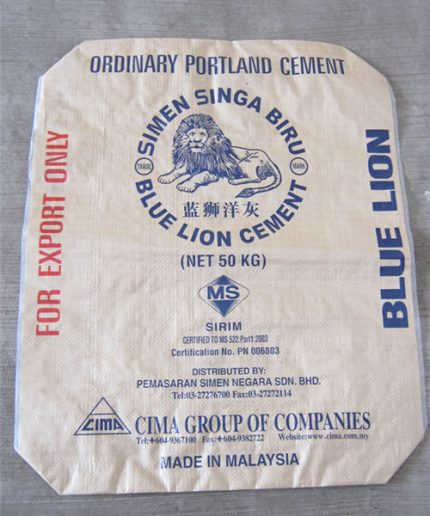
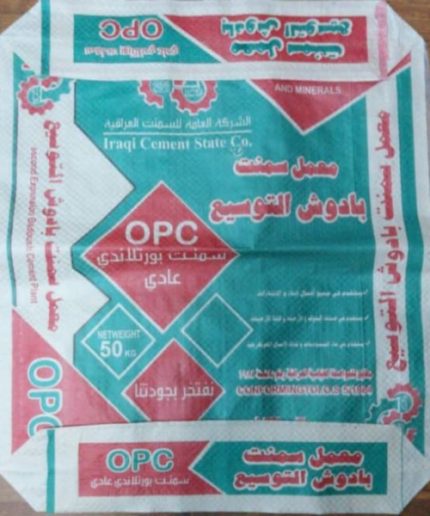
Polypropylene bags offer excellent surfaces for custom printing, making it easy to display brand names, logos, safety instructions, and product details.
6. Stackability and Shape Retention
Valve PP bags maintain their shape after filling, allowing for easy stacking on pallets and optimized storage space.
7. Cost-Effective and Lightweight
Compared to traditional paper bags, PP bags are lighter and more affordable in bulk, helping reduce shipping costs and packaging expenses.
Key Features of Valve PP Cement Bags – Comparison Table
| Feature | Description |
| Durability | Made from strong woven polypropylene to resist tears and rough handling. |
| Moisture Resistance | Optional lamination or coating protects cement from humidity and water damage. |
| Valve Closure System | Allows fast, dust-free filling and automatic sealing without stitching. |
| Load Capacity | Supports 25–50 kg of cement without deformation or breakage. |
| Printable Surface | Ideal for custom branding, logos, and product info using high-quality printing. |
| Stackability | Maintains shape after filling for stable, efficient stacking and storage. |
| Lightweight & Cost-Effective | Lower packaging and shipping costs compared to paper bags. |
Advantages of Using Valve PP Bags for Cement Packaging
Using valve PP bags for cement packaging offers numerous benefits that go beyond just storage. These bags are engineered to optimize every step of the packaging and logistics process, making them an ideal solution for cement manufacturers and suppliers.
1. Fast and Clean Filling Process
Thanks to their smart valve closure design, these bags can be filled quickly and automatically with minimal dust generation. This leads to a cleaner working environment and improved worker safety.
2. Reduced Material Waste
The tight seal of valve PP bags helps prevent cement leakage during filling, handling, and transportation—reducing material loss and cleanup costs.
3. Enhanced Product Protection
Polypropylene is resistant to moisture and external damage. Whether stored indoors or outdoors, cement remains safe from humidity and physical impacts.
4. Improved Transportation Efficiency
The uniform shape and size of valve PP cement bags make them easy to stack and transport, which maximizes pallet space and reduces shipping expenses.
5. Stronger Shelf Appeal
Custom printing on PP bags allows you to display your brand and product information clearly. This gives your packaging a professional look and builds brand recognition in the market.
6. Eco-Friendly and Recyclable
Unlike single-use paper bags, PP bags can be recycled, supporting sustainability initiatives and reducing your environmental footprint.
Types of Valve PP Bags Used in the Cement Industry
There are several types of valve PP bags used in cement packaging, each designed to meet specific packaging, handling, and storage needs. The choice depends on the cement manufacturer’s requirements for automation, branding, and environmental conditions.
1. Block Bottom Valve PP Bags
Also known as AD*STAR bags, these are among the most popular in the cement industry. The block bottom allows the bag to stand upright, offering excellent stackability, shape retention, and reduced transport costs. They combine the advantages of woven polypropylene with a paper-bag-like appearance.
2. Standard Valve Woven PP Bags
These are traditional tubular bags with a valve opening, typically used in semi-automatic or manual filling systems. They are durable, economical, and suitable for high-volume packaging where cost-effectiveness is key.
3. Laminated Valve PP Bags
These bags have an added layer of BOPP (biaxially oriented polypropylene) or other laminates, making them moisture-resistant and visually appealing. They are ideal for regions with high humidity or for brands seeking high-quality printing and appearance.
4. Micro-Perforated Valve Bags
Designed with tiny holes that allow air to escape during the filling process without letting out cement dust. These are great for high-speed filling lines and minimize dust pollution.
5. Eco-Friendly or Recyclable PP Bags
With increasing focus on sustainability, some manufacturers now offer 100% recyclable valve PP bags that reduce environmental impact while maintaining strength and efficiency.
Comparison of Valve PP Bag Types for Cement Packaging
| Type of Valve PP Bag | Description | Key Benefits | Best For |
| Block Bottom Valve Bag (AD*STAR) | Woven PP bag with a flat bottom that stands upright like a paper bag. | Excellent stackability, shape retention, modern look | Automated systems, retail packaging |
| Standard Valve Woven PP Bag | Traditional tubular woven bag with a valve opening. | Cost-effective, strong, simple design | High-volume, cost-sensitive packaging |
| Laminated Valve PP Bag | Comes with a laminated surface (e.g., BOPP film) for extra protection. | Moisture-resistant, attractive printing surface | Humid climates, branded packaging |
| Micro-Perforated Valve Bag | Equipped with tiny holes to allow air escape during filling. | Dust control, compatible with high-speed filling machines | Industrial settings, dust-sensitive areas |
| Eco-Friendly/Recyclable PP Bag | Made with recyclable PP material to reduce environmental impact. | Sustainable, reusable, same strength as regular PP bags | Green brands, eco-conscious manufacturers |
Why Choose PP Material for Cement Bags?
Polypropylene (PP) has become the material of choice for cement packaging, and for good reason. Its combination of strength, flexibility, and moisture resistance makes it ideally suited for harsh industrial environments and long-term storage.
1. Superior Strength and Durability
PP is a high-tensile synthetic polymer that resists tearing, stretching, and impact. This ensures that the bag holds up during filling, stacking, transport, and storage—minimizing product loss and breakage.
2. Excellent Moisture Resistance
Unlike paper or jute bags, PP woven fabric doesn’t absorb moisture, which helps protect cement from clumping or hardening due to humidity. This is especially important in tropical or rainy regions.
3. Lightweight Yet High Capacity
PP bags are light in weight but can hold up to 50 kg of cement. This helps reduce overall packaging and shipping costs, which is a major advantage in bulk supply chains.
4. Cost-Efficiency Over Time
Although the initial cost may be slightly higher than traditional paper bags, PP bags are reusable and recyclable, offering long-term savings for manufacturers.
5. Customizability and Branding
PP material supports high-quality flexographic or gravure printing, making it easy to showcase your brand, logo, product details, and compliance information directly on the bag.
6. Eco-Friendly and Recyclable
Modern PP bags can be manufactured with 100% recyclable materials, helping companies reduce waste and align with environmental standards.
Valve PP Bag Manufacturing Process
The manufacturing process of valve PP bags for cement involves several steps to ensure durability, consistency, and functional design. Understanding how these bags are made can help cement producers appreciate the engineering behind their packaging—and choose the right supplier.
1. Extrusion of Polypropylene Tape
Polypropylene granules are melted and stretched into flat tapes or yarns. These tapes form the basic threads used to weave the fabric of the bag.
2. Weaving the Fabric
The PP tapes are woven into circular or flat fabric using high-speed looms. This woven fabric becomes the structural base of the bag, providing strength and flexibility.
3. Lamination (Optional)
For added moisture protection or enhanced printing quality, the woven fabric may be laminated with a BOPP film or other coatings.
4. Cutting and Printing
The laminated or plain fabric is cut into required sizes and printed using flexographic or gravure printing machines to display branding, logos, product information, and safety labels.
5. Forming the Valve Design
One end of the fabric is folded and sealed to create a valve opening—the distinctive feature of valve PP bags. This valve allows for quick and clean filling, often using automatic machinery.
6. Bottom Sealing (Block Bottom Bags)
For block bottom bags (e.g., AD*STAR), the base is folded and sealed to form a square bottom that helps the bag stand upright.
7. Quality Control and Packaging
Finished bags are checked for size accuracy, print quality, seam strength, and valve function. Approved bags are packed in bundles and sent to customers.
Customization Options for Cement PP Bags
One of the major advantages of valve PP bags is the flexibility in customization. Whether you want to enhance your brand visibility, improve functionality, or meet specific market requirements, these bags can be tailored in many ways.
1. Custom Sizes and Dimensions
You can choose the length, width, and gusset size based on the type of cement and your packaging equipment. Common sizes are made for 25 kg and 50 kg capacities.
2. Valve Type and Orientation
Valve PP bags can have self-closing, extended, or heat-sealable valves, positioned at the top or side depending on your filling system. The valve can also be designed for either manual or automatic filling lines.
3. Material Thickness (GSM)
You can select different levels of fabric thickness (e.g., 65–90 GSM) depending on how much strength, flexibility, or cost-efficiency you need.
4. Lamination and Coating Options
For added protection, bags can be laminated with BOPP or coated with anti-slip layers. This also makes them moisture-resistant and printable.
5. Printing and Branding
Using flexographic or gravure printing, you can customize your bags with full-color designs, logos, product information, QR codes, and more. Some suppliers offer up to 8-color printing.
6. Color Selection
Choose from white, beige, gray, or custom colors to match your branding or differentiate between product lines.
7. UV Stabilization
If your cement bags will be stored outdoors, UV-resistant PP material ensures they don’t degrade from sun exposure.
Comparing Valve PP Bags with Paper Cement Bags
When choosing the right packaging for cement, many manufacturers consider two popular options: valve PP bags and paper cement bags. While both serve the basic function of containing cement, their performance, durability, and long-term benefits differ significantly.
| Feature | Valve PP Bags | Paper Cement Bags |
| Material Strength | Highly durable, tear-resistant | Weaker, prone to tearing when wet |
| Moisture Resistance | Excellent, especially with lamination | Poor; absorbs moisture easily |
| Weight Capacity | Can carry 25–50 kg without breakage | May tear or burst under high weight |
| Recyclability | 100% recyclable polypropylene | Partially recyclable, depending on adhesives used |
| Cost Over Time | Cost-effective due to lower damage and returns | Cheaper upfront, but higher risk of loss |
| Customization | High – supports multi-color branding and UV protection | Limited – usually basic printing |
| Shelf Life | Longer shelf life even in outdoor storage | Shorter shelf life, especially in humid areas |
| Filling Efficiency | Ideal for automated high-speed filling systems | Suitable for manual or slow filling systems |
Why PP Bags Outperform Paper Bags:
- PP bags resist environmental conditions
- They offer higher durability during handling and transport.
- They support automated filling, helping speed up production lines.
- Branded PP bags help manufacturers stand out in the marketplace.
Applications Beyond Cement Packaging
While valve PP bags are widely recognized for packaging cement, their versatile design and durable structure make them suitable for many other industries. Their adaptability to various types of dry, flowable materials ensures consistent demand across multiple sectors.
1. Construction Materials
In addition to cement, these bags are used for:
- Plaster
- Lime powder
- Gypsum
- Mortar mixes
These materials require dust-free, strong, and moisture-resistant packaging, which PP valve bags provide efficiently.
2. Chemical Powders
Industries producing fertilizers, detergents, plastic resins, and pigments often rely on valve PP bags to ensure clean filling and safe transport.
3. Food Products
With the right food-grade certification and inner linings, valve PP bags are also suitable for:
- Flour
- Salt
- Sugar
- Grains and seeds
Their ability to maintain product hygiene and prevent leakage is critical in the food industry.
4. Agricultural Use
Used for packaging:
- Animal feed
- Soil enhancers
- Seed mixes
These bags help keep the contents dry and protected from pests and weather.
5. Mining and Minerals
Ideal for carrying:
- Sand
- Clay
- Silica
- Various powdered ores
Their rugged construction ensures safe handling and minimal loss during shipping.
In summary, valve PP bags are not just ideal for cement—they’re an all-purpose packaging solution across industrial, agricultural, and even food-related sectors. Their strength, printability, and cost-effectiveness make them the smart choice for any business requiring safe and efficient bulk material packaging.
Reviews
There are no reviews yet.