

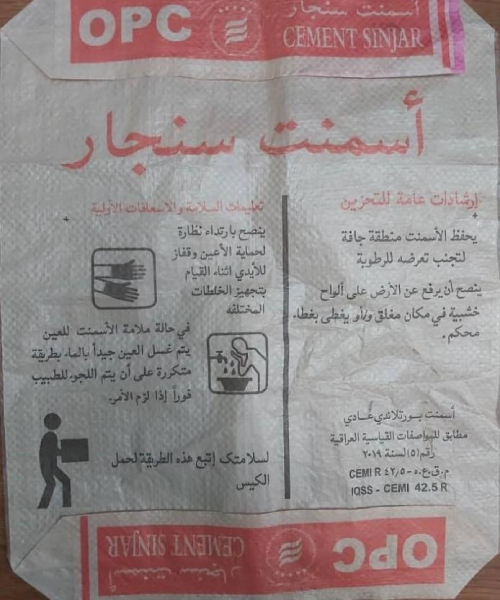
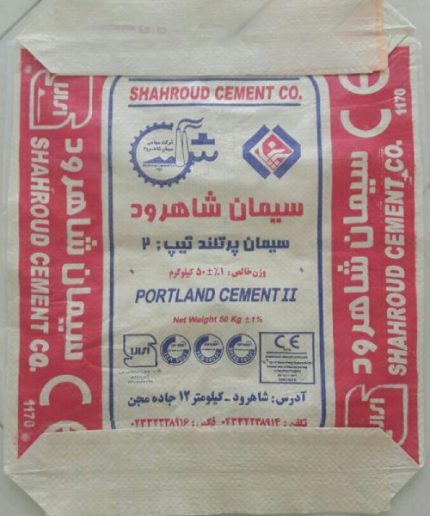
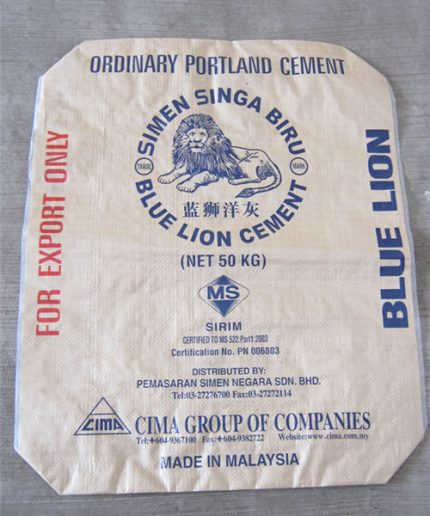
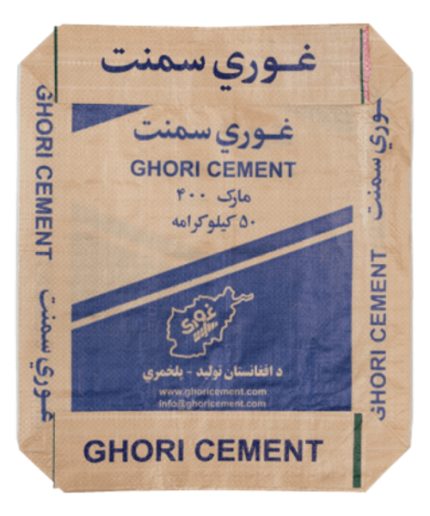
Laminated PP Bag for Cement
A laminated PP bag is a packaging solution made from woven polypropylene fabric that has been coated with a protective layer—usually BOPP (biaxially oriented polypropylene) or PE (polyethylene) film. This lamination adds strength, improves moisture resistance, and allows for high-quality printing, making the bag both functional and visually appealing.
In the cement industry, these bags are specially designed to handle heavy loads, resist environmental damage, and ensure leak-proof packaging during transportation and storage. Whether filled manually or using high-speed automated lines, laminated PP bags provide a clean, efficient, and modern packaging alternative.
📦 Structure of a Laminated PP Bag:
- Inner layer: Woven PP fabric (for strength and shape retention)
- Outer layer: Laminated film (for waterproofing and printability)
- Closure: Can include valve type or stitching with liner based on requirements
These bags are commonly used for 25kg and 50kg cement packaging, but they are also versatile enough for other dry bulk products.
Why Laminated PP Bags Are Ideal for Cement Packaging
Cement is a highly sensitive material that reacts quickly to moisture, air exposure, and rough handling. That’s why laminated PP bags are becoming the preferred packaging solution across cement manufacturing and distribution companies.
1. Excellent Moisture Resistance
The lamination layer acts as a barrier against water, humidity, and air, preventing cement from clumping, hardening, or losing its chemical integrity during storage or transit—especially in areas with high humidity or rainfall.
2. High Durability During Handling
Laminated PP bags are tear-resistant, puncture-resistant, and can withstand the rigors of manual loading, unloading, stacking, and long-distance transport without compromising the product inside.
3. Perfect for Heavy Loads
Cement bags typically carry 25 to 50 kg, and the woven polypropylene base gives these bags the structural strength required for such weight without sagging or tearing.
4. Enhances Brand Visibility
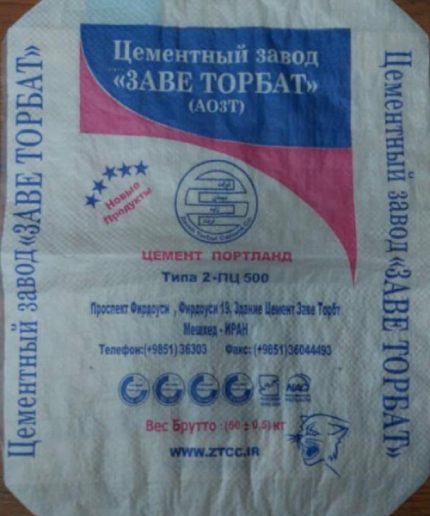
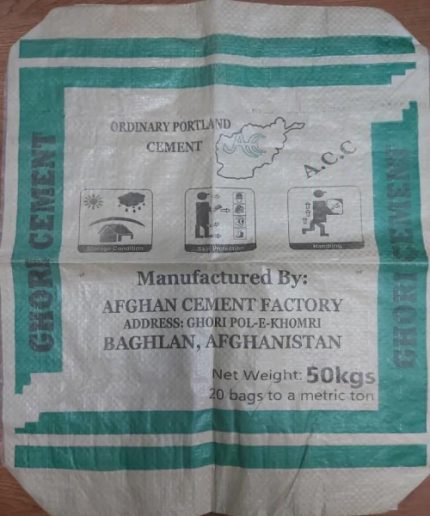
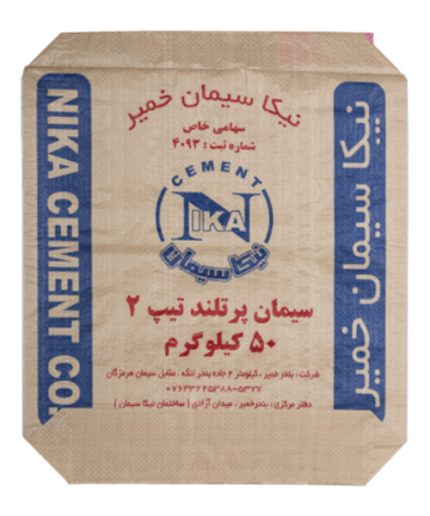
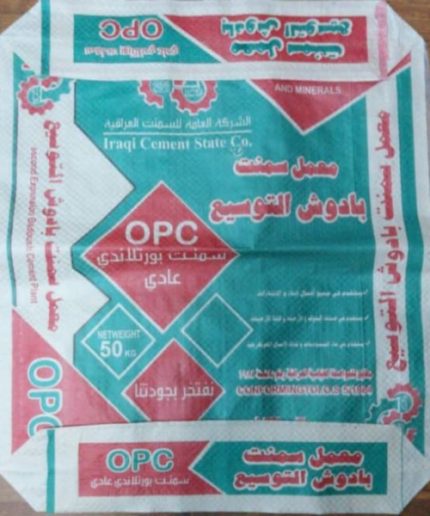
The outer laminated surface supports multi-color printing, allowing cement brands to display logos, product details, certifications, and even QR codes with high-definition clarity—something traditional paper bags can’t offer.
5. Reusable and Environment-Friendly
Compared to single-use paper bags, laminated PP bags are more recyclable and can often be reused in non-critical applications, making them a more sustainable choice in the long term.
Key Features of Laminated PP Cement Bags
Laminated PP bags are engineered to meet the specific needs of bulk cement packaging, ensuring both product protection and operational efficiency. Let’s look at the standout features that make these bags a top choice in the construction materials industry:
1. Multi-Layer Construction
Each laminated PP bag includes:
- Woven polypropylene inner layer for strength and shape retention
- Lamination layer (BOPP or PE) for moisture protection and branding
- Optional liner or valve for dust-free and automated filling
2. Water and Moisture Resistance
The lamination prevents:
- Moisture penetration
- Absorption of humidity
- Damage during outdoor storage or rainy transport conditions
3. High-Quality Print Surface
Thanks to BOPP lamination, the bags support:
- Multi-color rotogravure printing
- Glossy or matte finishes
- UV-protected graphics for long-term outdoor exposure
4. High Load-Bearing Strength
- Typically suitable for 25kg–50kg loads
- Burst resistance and drop test durability ensure product stays intact during handling
5. Lightweight Yet Strong
- Reduces transport costs without sacrificing performance
- Easier for manual laborers to handle and stack
6. Recyclable Material
- Made from 100% polypropylene, a recyclable plastic
- Contributes to eco-friendly packaging initiatives in the cement industry
Table: Key Features of Laminated PP Cement Bags
| Feature | Description |
| Multi-layer Construction | Woven PP fabric + laminated film (BOPP or PE) + optional liner or valve |
| Moisture Resistance | Prevents cement from absorbing water or humidity |
| High-Quality Print Surface | Supports full-color, high-resolution printing with glossy or matte finish |
| Load-Bearing Strength | Designed for heavy loads (25kg–50kg), high burst and tear resistance |
| Lightweight Design | Reduces shipping costs, improves manual handling |
| Eco-Friendliness | Made from recyclable polypropylene, reusable in some applications |
| UV Protection (Optional) | Laminated surface can be UV-treated to resist sunlight exposure |
| Sealing and Valve Options | Available with heat-sealed or stitched bottoms and optional valve for clean fill |
4. Types of Lamination Used in Cement Packaging
The lamination layer is what sets laminated PP cement bags apart from regular woven bags. It plays a vital role in protection, branding, and durability. Depending on the application, manufacturers choose from a few common lamination types to meet packaging needs.
1. BOPP (Biaxially Oriented Polypropylene) Lamination
- Most popular choice for cement and construction material packaging
- Offers excellent print quality for high-end branding
- Provides moisture and UV resistance
- Available in glossy or matte finishes
2. PE (Polyethylene) Lamination
- A more cost-effective alternative
- Provides basic moisture protection
- Suitable for low to medium-grade packaging needs
- Less printable compared to BOPP
3. Matt Finish Lamination
- Ideal for brands looking for a premium, subtle appearance
- Reduces glare and provides a non-reflective surface
- Often combined with spot UV for logo enhancement
4. UV Treated Lamination
- Enhances the outdoor durability of the bag
- Protects against sunlight and color fading
- Recommended for cement bags stored or transported in open areas
Benefits of Laminated PP Bags Over Traditional Cement Bags
Switching from traditional paper or plain woven bags to laminated PP bags offers significant advantages, making them the preferred choice in modern cement packaging.
1. Superior Moisture Protection
Unlike paper bags that absorb moisture and weaken, laminated PP bags provide a strong waterproof barrier, keeping cement dry and maintaining its quality during transit and storage.
2. Enhanced Durability and Strength
Laminated PP bags are tear-resistant and can withstand rough handling, heavy stacking, and long-distance transportation without breaking or spilling contents.
3. Better Print Quality and Branding
The laminated surface supports high-resolution, multi-color printing which enables clear product information, branding, safety instructions, and certifications — boosting brand visibility and consumer trust.
4. Cost-Effectiveness Over Time
While initially pricier than paper bags, laminated PP bags reduce product loss due to damage and cut down replacement costs, proving economical in the long run.
5. Eco-Friendliness
Being recyclable and sometimes reusable, laminated PP bags align better with sustainability goals compared to single-use paper bags.
6. Resistance to Environmental Conditions
They resist damage from humidity, UV rays, and temperature variations, ideal for storage in harsh or variable climates.
Table: Benefits of Laminated PP Bags vs. Traditional Cement Bags
| Benefit | Laminated PP Bags | Traditional Cement Bags (Paper/Plain Woven) |
| Moisture Protection | Excellent waterproof barrier | Poor; absorbs moisture, weakens easily |
| Durability & Strength | High tear and puncture resistance | Susceptible to tearing and damage during handling |
| Print Quality & Branding | Supports high-resolution, multi-color printing | Limited print quality, mostly monochrome or low-res |
| Cost-Effectiveness | Higher initial cost but reduces product loss | Lower upfront cost but more frequent replacements needed |
| Environmental Impact | Recyclable and sometimes reusable | Generally single-use, less eco-friendly |
| Resistance to Environment | Resistant to UV, humidity, and temperature | Vulnerable to environmental factors |
Customization Options for Laminated Cement Bags
One of the key advantages of laminated PP bags is their versatility in customization, allowing cement manufacturers to tailor packaging to their specific branding, operational, and logistical needs.
1. Printing and Branding
- Full-color, high-resolution printing with company logos, product details, safety icons, and certifications
- Option for matte or glossy finishes to enhance shelf appeal
- Incorporation of QR codes and barcodes for traceability and digital marketing
2. Bag Size and Weight Capacity
- Common sizes include 25 kg and 50 kg, but custom dimensions are available
- Strength and thickness adjusted based on required burst strength and weight load
3. Closure Types
- Valve bags for efficient automated filling and dust control
- Sewn or heat-sealed tops and bottoms for secure closure
- Reclosable options for specific use cases
4. Special Coatings and Treatments
- UV-resistant lamination for prolonged outdoor exposure
- Anti-slip coatings to improve stacking stability
- Anti-static treatments to reduce dust attraction
5. Eco-Friendly Options
- Use of recyclable materials or biodegradable additives
- Customized designs to reduce material waste and optimize transport efficiency
Applications Beyond Cement Packaging
While laminated PP bags are widely used in the cement industry, their durability, moisture resistance, and customizable printing make them suitable for a broad range of other applications across various sectors:
1. Construction Materials
- Packaging for sand, lime, gypsum, and mortar
- Ideal for heavy, fine powders requiring moisture protection
2. Agricultural Products
- Bags for fertilizers, seeds, and animal feed
- Keeps contents dry and protected during storage and shipment
3. Chemical Industry
- Safe packaging for dry chemicals, powders, and granules
- Reduces contamination and moisture ingress
4. Food Industry
- Packaging for dry food ingredients like sugar, flour, starch, and salt
- Meets hygiene standards with food-grade lamination options
5. Industrial Goods
- Suitable for mineral powders, plastic pellets, and other bulk materials
- Can be tailored for easy handling and branding
Laminated PP bags offer flexibility and protection for many bulk products beyond cement, making them a versatile packaging solution for diverse industries.
Choosing the Right Laminated PP Bag Supplier
Selecting a reliable supplier is critical to ensure you get high-quality laminated PP bags that meet your packaging, durability, and branding needs.
1. Quality Assurance
Look for suppliers who provide certified materials and comply with international standards such as ISO and FDA (for food-grade bags). Ask for sample bags to test strength, print quality, and lamination.
2. Customization Capabilities
Choose suppliers offering a wide range of customization options — from size and weight capacity to printing, lamination types, and closure methods.
3. Production Capacity & Lead Time
Ensure the supplier can meet your order volume and provide bags within your required timeframe, especially for large or recurring orders.
4. Competitive Pricing
Compare pricing but weigh it against quality and service. Cheaper bags may cost more in product loss or customer dissatisfaction.
5. Sustainability Initiatives
If eco-friendliness is important, check if the supplier offers recyclable or biodegradable options and follows sustainable manufacturing practices.
6. Customer Support and After-Sales Service
A responsive supplier with good after-sales support can assist with troubleshooting, reorders, and design updates.
Choosing the right laminated PP bag supplier helps ensure your cement packaging is durable, attractive, and cost-effective, supporting your business success.
Reviews
There are no reviews yet.