
NOVIN BAFT
Novin Baft, Iran's leading producer of PP bags, sacks, rolls, and jumbo bags, delivers 45,000 tons of high-quality packaging annually. Our products, crafted with advanced technology and ISO9001 standards, cater to food, agricultural, and industrial needs. Committed to innovation and durability, we offer customized, reliable packaging solutions for domestic and global markets.
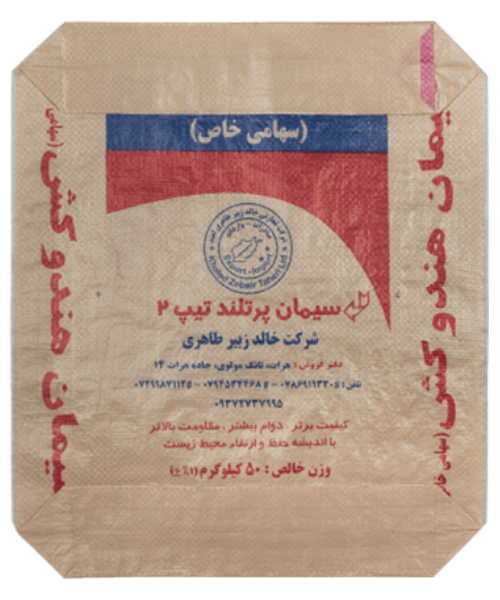
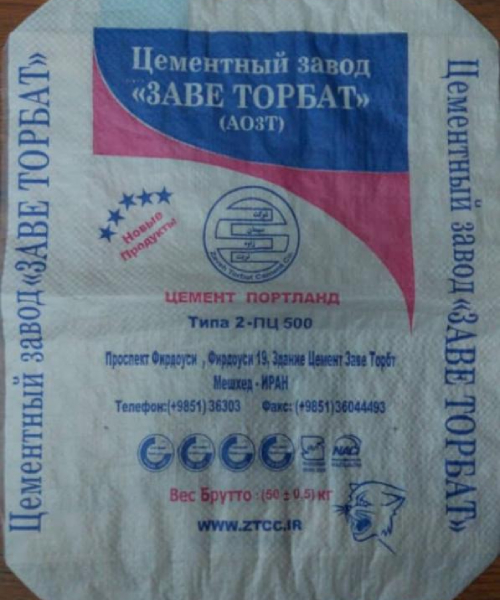
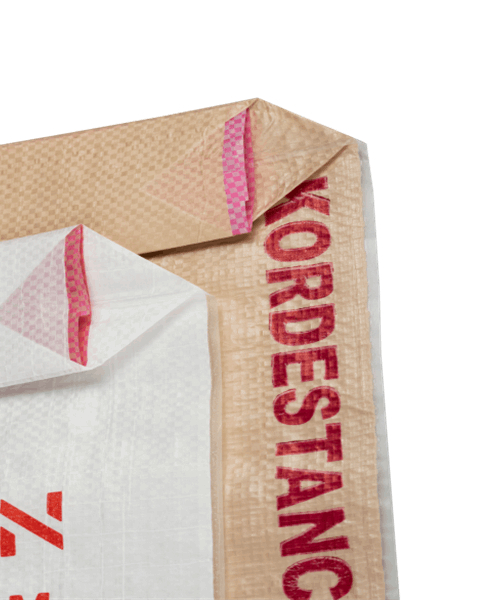

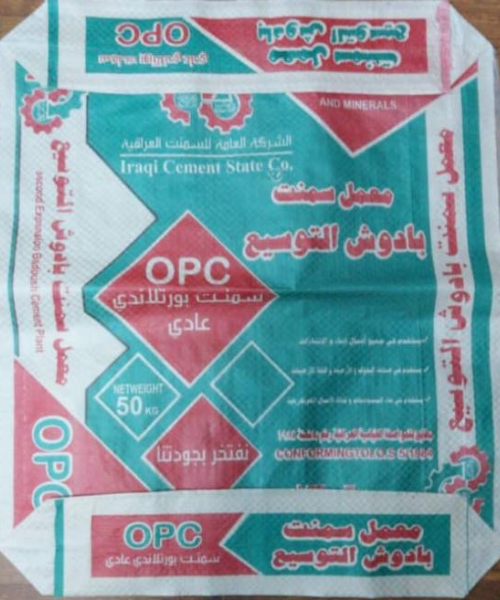
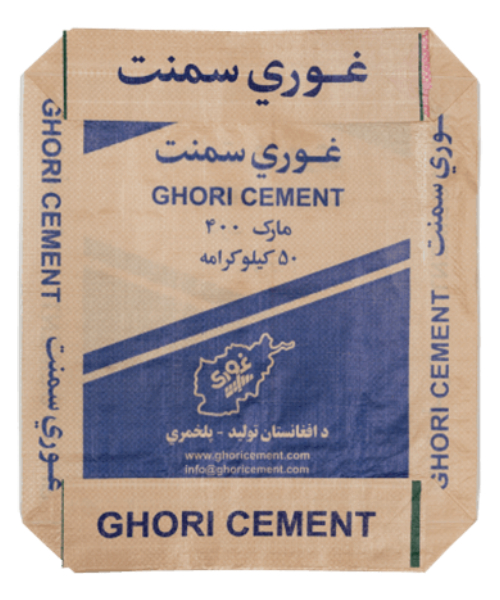
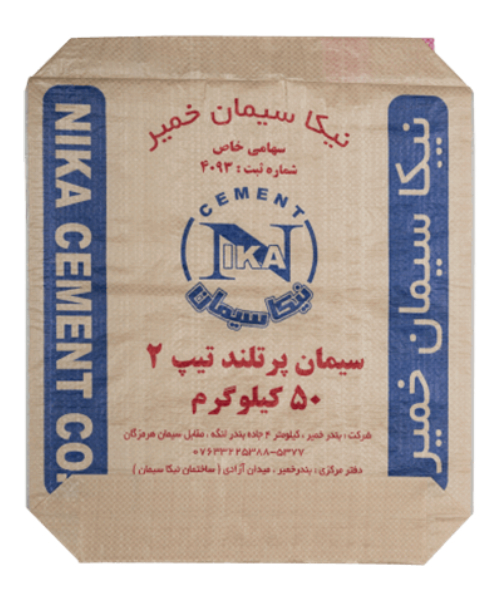
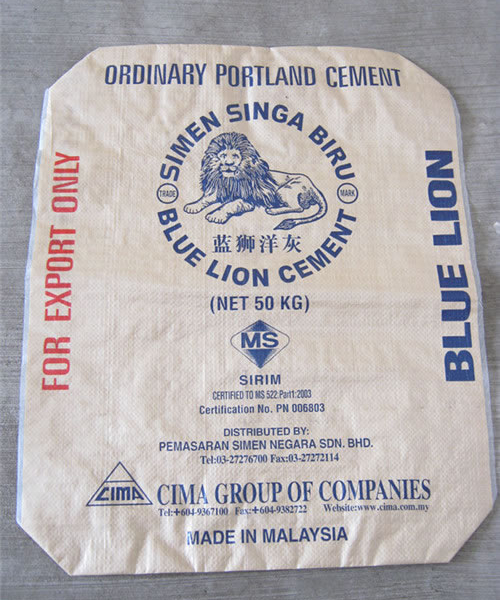
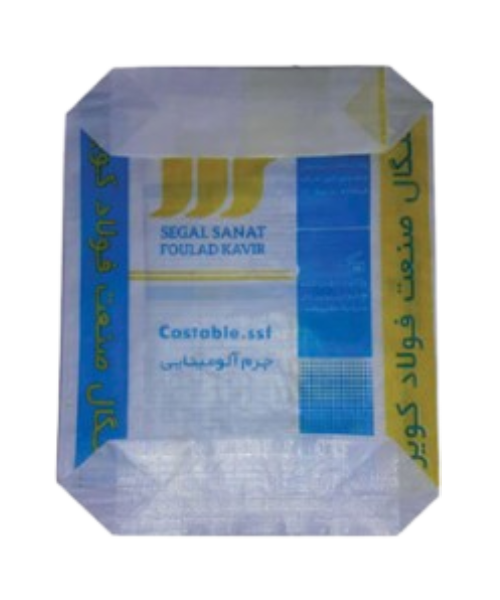
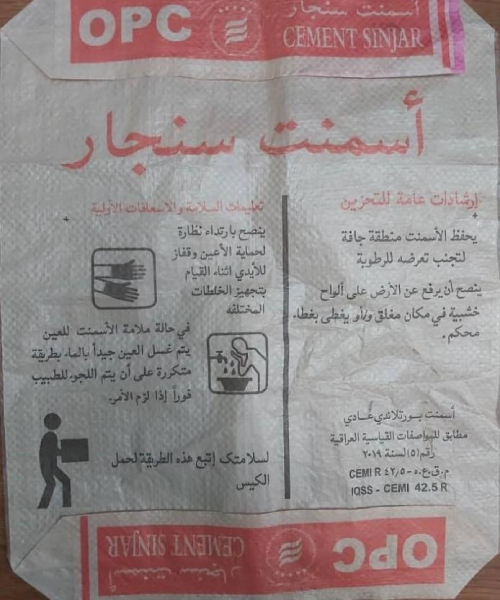
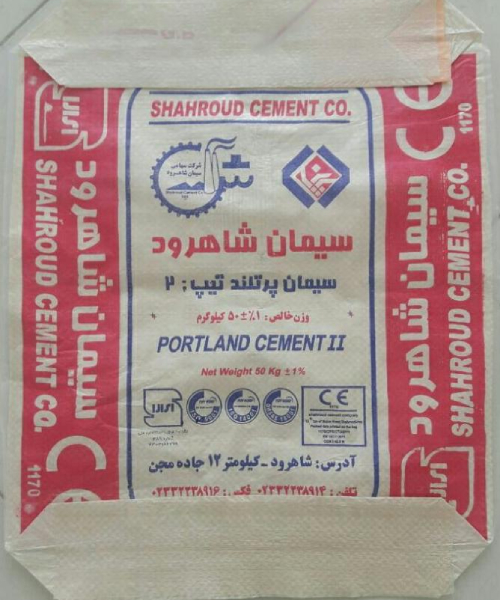
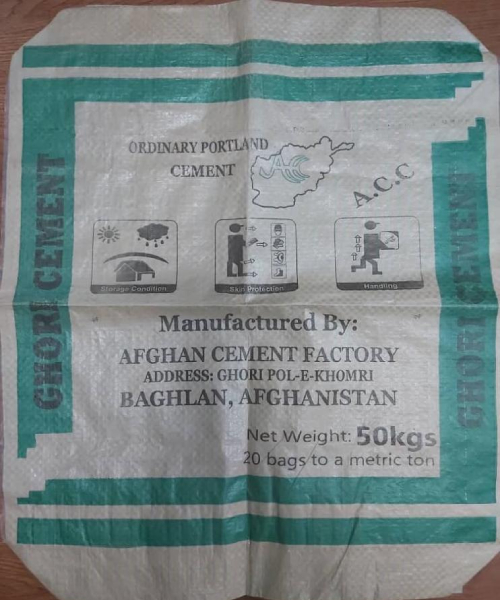
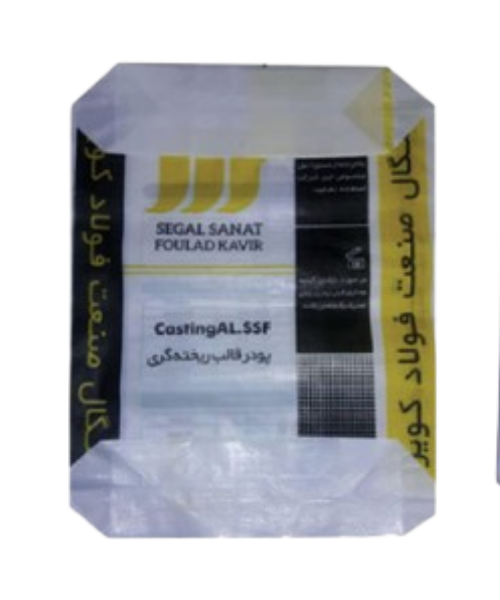
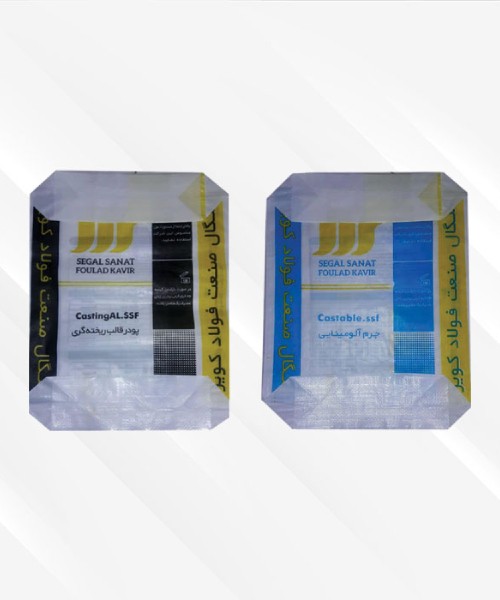
What is a PP Bag?
These bags are woven from polypropylene tapes, offering flexibility and durability. They come in both laminated and unlaminated varieties—laminated bags have an added moisture-resistant coating, making them perfect for sensitive materials like cement, fertilizers, and grains.
PP bags are not only cost-effective but also eco-friendly (recyclable and reusable). Customizable in size, color, and design, they often feature product or brand logos, making them ideal for both functionality and marketing. Their ability to protect products, reduce spillage, and streamline transportation has made PP bags a top choice for cement packaging globally.
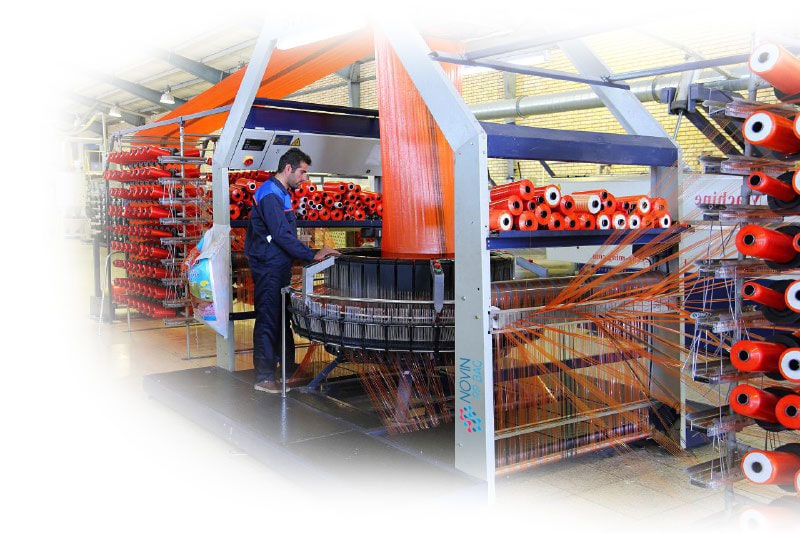
Industrial Usage of PP Bag
PP bags are widely used across multiple industries due to their strength, versatility, and cost-efficiency. Their woven structure allows them to handle heavy loads and resist rough handling, making them a practical choice for bulk packaging.
1. Cement Industry
One of the most prominent applications of PP bags is in the cement industry. Cement is a fine, powdery material that requires strong, moisture-resistant packaging. PP woven bags—especially laminated and valve-type—are ideal for this purpose. They prevent leakage, protect the product from humidity, and make stacking and transportation easier.
2. Agriculture Sector
In agriculture, PP bags are used for storing and transporting grains, rice, wheat, seeds, fertilizers, and animal feed. Their breathability and durability help in maintaining the quality of these products during long-term storage.
3. Chemical and Mineral Industry
PP bags are used for packaging powdered chemicals, plastic granules, resins, and minerals. Their chemical resistance and load-bearing strength make them suitable for handling such substances.
4. Construction Materials
Apart from cement, other construction materials like sand, gypsum, and lime are also packed in PP bags. Their resistance to UV rays and tearing ensures that the material is safely stored even in outdoor conditions.
5. Food and Retail Sector
Laminated PP bags are used for sugar, flour, salt, and even packaged snacks in bulk. These bags can be printed with colorful graphics and branding, offering both functionality and market appeal.
Production Procedure of PP Bag
The production of PP woven bags is a multi-step process that involves transforming polypropylene granules into strong, flexible sacks suitable for industrial use. The process ensures that the final product is durable, lightweight, and capable of withstanding pressure, moisture, and rough handling. Here's a breakdown of the key stages:
The process begins with melting polypropylene granules in an extruder. The molten polymer is then forced through a flat die to form thin tapes or filaments. These tapes are rapidly cooled, stretched (oriented), and wound onto bobbins. The stretching process increases the tensile strength of the tapes, which is essential for bag durability.
The tapes are then fed into circular or flat looms to weave them into fabric. This fabric, known as PP woven fabric, can be produced in tube form (for seamless sides) or flat sheet form. The weaving pattern provides the bag with its characteristic strength and flexibility.
To enhance moisture resistance, the woven fabric may be laminated with a layer of BOPP (Biaxially Oriented Polypropylene) or polyethylene. This step is especially important for cement packaging, where protection against humidity is crucial. Lamination also allows for high-quality printing on the surface of the bag.
After lamination (if required), the fabric is printed with branding, product specifications, handling instructions, or safety warnings. This is typically done using flexographic or rotogravure printing methods. Up to 6 colors can be printed depending on the design.
The printed fabric is cut into specific lengths based on the required bag size (e.g., 50kg capacity). The bottom of the bag is usually stitched or sealed, while the top can be left open, hemmed, or designed with a valve for automatic filling.
Before packaging, the bags undergo rigorous quality checks to ensure durability, consistency, and strength. Common tests include:
- Drop tests
- Tensile strength tests
- Moisture resistance checks
- Seam integrity verification
This comprehensive production process ensures that PP bags—especially those used for cement—meet high performance and safety standards, making them suitable for demanding industrial environments.
Product Standards for PP Bag
To ensure safety, durability, and performance, PP woven bags—especially those used in cement packaging—must meet specific product standards and regulations. These standards help manufacturers produce reliable products while enabling customers to receive consistent quality regardless of location or supplier.
1. ISO Standards
The International Organization for Standardization (ISO) provides guidelines for the design and testing of woven polypropylene bags. Relevant standards include:
- ISO 21898: Specifies performance requirements and testing methods for flexible intermediate bulk containers (FIBCs), which apply to heavy-duty PP bags.
- ISO 9001: While not specific to PP bags, it ensures that the manufacturer has a quality management system in place, resulting in more consistent product output.
2. ASTM Standards
The American Society for Testing and Materials (ASTM) defines standards for evaluating the physical and mechanical properties of plastic materials:
- ASTM D5331: Specifies test methods to assess the durability, tensile strength, and resistance of woven bags.
- ASTM D5276: Standard method for conducting drop tests to determine the impact resistance of filled PP bags.
3. BIS Standards (India)
In India, the Bureau of Indian Standards (BIS) regulates PP woven sacks for cement and other bulk packaging:
- IS 11652: Specifies the construction, weight, stitching, and load-carrying capacity of woven sacks for cement.
- IS 14887: Pertains to valve-type sacks made of polypropylene, specifically designed for automatic filling machines in cement plants.
4. EU Packaging Regulations
For companies exporting to Europe, compliance with EU Directive 94/62/EC is essential. This regulation governs the recyclability, heavy metal content, and eco-friendliness of packaging materials.
5. Performance Tests and Certifications
To meet industrial and customer expectations, PP bags typically undergo several quality control tests:
- Tensile strength and elongation test
- Seam strength test
- UV resistance test (especially for bags used outdoors)
- Moisture barrier testing (for laminated bags)
- Stacking and compression resistance test
Many reputable manufacturers also obtain SGS, Intertek, or TÜV certifications to assure global buyers of their commitment to quality and safety.
These standards ensure that cement PP bags are capable of withstanding rough handling, stacking, long-term storage, and challenging environmental conditions, making them reliable for both domestic and export use.
Advantages of PP Bag for Cement Packing
Cement is a highly sensitive material that requires robust, moisture-resistant, and easy-to-handle packaging. PP woven bags offer a perfect solution for this, and that’s why they have become the go-to choice for most cement manufacturers across the world. Below are the key advantages of using PP bags for cement packing:
1. High Strength and Durability
PP bags are made from woven polypropylene tapes that offer excellent tensile strength. This makes them capable of carrying heavy loads (typically 25kg to 50kg) without tearing or breaking, even during rough handling or long-distance transportation.
2. Moisture Resistance
One of the biggest threats to cement is moisture absorption, which can reduce the quality and binding properties of the product. Laminated PP bags provide an effective moisture barrier, ensuring that the cement remains dry and usable even in humid environments.
Read More
3. Lightweight and Cost-Effective
Compared to other packaging materials like paper or jute, PP bags are lighter and more economical. Their low weight helps reduce shipping costs, and their cost-effective production makes them an affordable choice for large-scale packaging needs.
4. Customization Options
PP cement bags can be tailored to meet specific requirements. This includes:
- Valve-type design for easy filling
- Printed branding for marketing
- Color-coding for different cement grades
- UV protection for outdoor storage
This level of customization improves both functionality and brand visibility.
5. Eco-Friendly and Recyclable
Polypropylene is a recyclable plastic, which makes PP bags a more environmentally friendly option compared to single-use alternatives. Many manufacturers offer reusable and multi-use PP bags that further reduce environmental impact.
6. Better Stackability and Storage Efficiency
Thanks to their structural integrity and anti-slip textures, PP cement bags stack well without slipping or deforming. This leads to more efficient warehouse storage and safer transportation.
7. Compatibility with Automated Systems
Modern cement manufacturing plants often rely on automated bagging and filling systems. PP woven bags—especially those with valve openings—are fully compatible with these machines, helping speed up production and reduce labor costs.
In conclusion, the advantages of PP bags for cement packaging make them an ideal solution for maintaining cement quality, reducing logistical costs, and supporting sustainable practices.
Optional Features for Cement PP Bag
While PP bags are already a versatile and reliable option for cement packaging, manufacturers can further enhance their functionality by incorporating various optional features. These features are tailored to meet specific requirements, making PP bags even more efficient and effective in packaging and transporting cement.
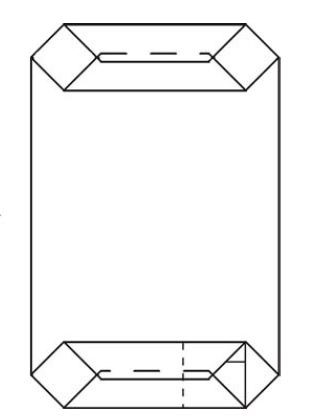
One of the most common features in cement PP bags is the valve type design. This design allows for quick and efficient filling, as it enables the bags to be automatically filled with cement without the need for manual labor. The self-closing valve at the top ensures that the bag remains tightly sealed after filling, preventing spillage and contamination.
Lamination is often applied to PP bags to provide additional protection against moisture, dust, and external environmental factors. Laminated PP bags are particularly useful in humid or wet conditions, as the protective layer prevents the cement from becoming damp. This feature ensures that the cement maintains its integrity during long-term storage and transportation.
UV protection is an important feature for cement packaging, especially when bags are stored outdoors or in areas exposed to direct sunlight. Polypropylene itself is susceptible to degradation when exposed to ultraviolet (UV) rays over extended periods. UV-resistant coatings or additives can be applied to the bags to prevent material degradation, ensuring longer-lasting durability when the bags are exposed to sunlight.
For safe and stable stacking, PP cement bags can be coated with an anti-slip layer. This feature prevents the bags from sliding off each other when stacked, reducing the risk of accidents during storage and transportation. It enhances the stackability of the bags, which is especially crucial in warehouses and shipping containers.
Customization is another valuable feature of PP cement bags. Manufacturers can print logos, product information, handling instructions, and safety warnings directly onto the bags. This not only helps with branding but also ensures clear communication for end-users and distributors. High-quality flexographic or rotogravure printing methods ensure that the print remains visible and durable throughout the bag's lifecycle.
For easier differentiation between different cement grades, color coding is an optional feature. By using different colors for various types of cement, manufacturers can make it simpler for consumers and distributors to identify the product quickly. This feature is especially useful in large-scale operations where multiple cement variants are being produced and stored simultaneously.
In high-capacity cement bags, additional reinforced seams and handles can be added to improve handling and transportation. Reinforced seams ensure that the bag can carry heavier loads without splitting or tearing. Handles make it easier to carry or move the bags, especially when they are filled to capacity.
These optional features offer enhanced functionality, safety, and convenience, making PP cement bags more adaptable to specific business needs. They also contribute to improving the overall efficiency of cement packaging and handling processes.
Product Specifications
When choosing PP bags for cement packaging, understanding the product specifications is essential to ensure that the bags meet both the performance standards and the specific requirements of the cement industry. The following specifications outline key factors that should be considered when selecting PP bags for cement:
1. Material Composition
Polypropylene (PP) is the core material used in manufacturing these bags. The key properties of polypropylene include its strength, flexibility, and moisture resistance. The material is woven into tapes or threads that are then used to create a strong, durable fabric. For cement packaging, laminated PP is often preferred to provide an extra layer of protection against moisture and abrasion.
2. Bag Size and Capacity
Cement PP bags typically come in different sizes and capacities, ranging from 25kg to 50kg, although other sizes can also be manufactured depending on customer requirements. The most common sizes are:
- 25kg cement PP bags
- 50kg cement PP bags
The size of the bag should be selected based on the handling and storage capabilities of the cement producer and distributor.
Read More
3. Bag Dimensions
In addition to the weight capacity, the dimensions of the bag—such as its length, width, and height—are important for proper stacking and transportation. Standard dimensions typically include:
- Width: 380mm to 500mm
- Length: 600mm to 800mm
- Height: 950mm to 1200mm
These dimensions can vary based on the specific needs of the cement industry or the type of filling equipment used.
4. Thread Count and GSM (Grams per Square Meter)
The thread count or denier (a measure of the fiber thickness) is a key specification that influences the bag's strength. Higher thread counts indicate stronger fabric and better load-bearing capabilities. Similarly, GSM measures the weight of the fabric, with higher GSM indicating thicker, stronger material. For cement bags, a typical GSM is between 80-120 GSM, depending on the weight and handling requirements.
5. Stitching and Sealing
The quality of stitching is crucial for the overall strength and durability of the PP bags. Cement bags generally have double-stitched seams to ensure maximum load-carrying capacity. The stitching must be consistent and strong to prevent the bags from tearing during handling and transportation. Heat sealing may also be used in some cases to provide extra protection at the seams.
6. Load Capacity and Burst Strength
Each cement PP bag is designed to carry a specified weight without tearing or rupturing. Load capacity refers to the maximum weight that the bag can carry, while burst strength refers to the ability of the bag to withstand internal pressure when filled. Standard cement PP bags are built to handle high burst strengths, ensuring that the bag remains intact even when subjected to stacking pressures or transportation forces.
7. UV Protection
For bags intended for outdoor use, especially in regions with high sun exposure, UV protection is a critical specification. UV-resistant additives are often incorporated into the polypropylene fabric or applied as a coating. This helps to prevent the bags from degrading due to sunlight exposure, ensuring that the bags remain intact during storage and distribution.
8. Printing and Labeling Specifications
Cement PP bags can be customized with high-quality printed labels. The printing quality is important for clear communication of product information, branding, and safety instructions. Common printing specifications include:
- Number of Colors: 1 to 6 colors
- Print Method: Flexographic or Rotogravure printing
- Positioning: Full wraparound, front, or back
The printing must be durable and resistant to abrasion to ensure the information remains legible throughout the bag’s lifecycle.
9. Recyclability
An important specification for environmentally conscious buyers is the recyclability of the material. Polypropylene is a recyclable plastic, making PP cement bags a more eco-friendly option compared to non-recyclable alternatives. Many manufacturers offer reusable PP bags, which help reduce environmental impact over time.
In summary, selecting the right PP cement bag involves understanding the key specifications to ensure that the bags are strong, durable, moisture-resistant, and compatible with the packaging process. Manufacturers must also consider customization and performance characteristics to ensure the bags meet industry standards and deliver optimal results in both storage and transportation.