

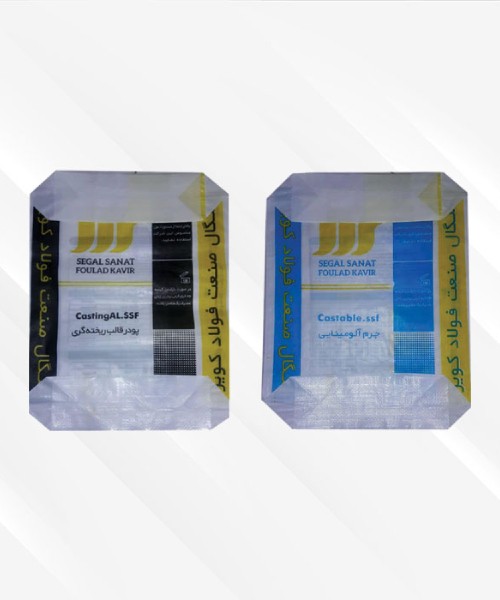
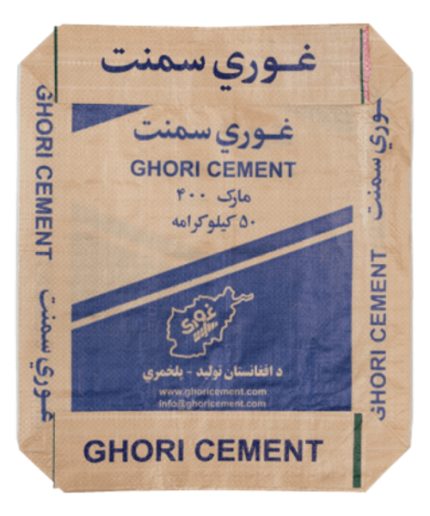
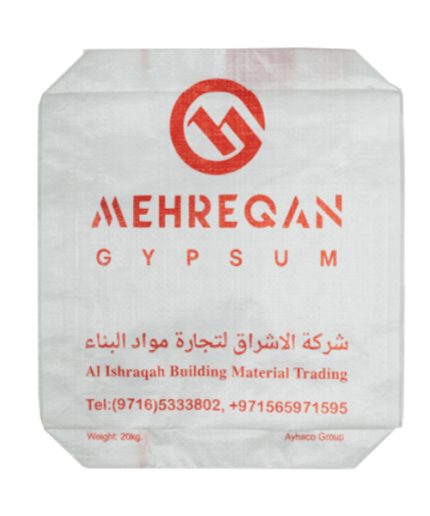
Block Bottom Bag for Chemicals, Fertilizer, Gypsum Powder
Introduction to Block Bottom Bags
Block bottom bags—also known as brick bags or flat bottom bags—have emerged as a highly efficient and reliable packaging solution in a variety of industrial sectors. Their unique construction combines the flexibility of a traditional sack with the stability of a box, creating a package that stands upright, stacks easily, and offers enhanced durability.
These bags are primarily made from laminated woven polypropylene (PP) or BOPP (biaxially oriented polypropylene) films, offering excellent strength, moisture resistance, and printability. The square-shaped bottom allows the bag to maintain its form during filling, handling, and storage, reducing the risk of spillage or damage.
Industries handling powdery or granular products—such as chemicals, fertilizers, and gypsum powder—greatly benefit from block bottom bags due to their superior stacking ability, high load capacity, and secure sealing options. As global logistics demand packaging that is both practical and presentation-friendly, block bottom bags have become the go-to choice for manufacturers seeking efficiency and brand visibility.
Why Choose Block Bottom Bags for Chemicals, Fertilizer, and Gypsum
Block bottom bags offer distinct advantages for packaging chemicals, fertilizers, and gypsum powder, making them the preferred choice across these industries:
- Superior Stability and Stackability
Thanks to their flat, rigid base, block bottom bags stand upright without support, allowing for neat, stable stacking during storage and transport. This reduces space wastage and minimizes the risk of bags toppling and product spillage. - Enhanced Moisture and Contaminant Protection
These bags often feature laminated layers that create an effective barrier against moisture, dust, and contaminants — a critical factor for chemicals and fertilizers that are sensitive to humidity and environmental exposure. - High Load Capacity and Strength
Manufactured with woven polypropylene and reinforced with lamination, block bottom bags can handle heavy weights—often ranging from 25 to 50 kilograms—without tearing or bursting, ensuring safe handling of dense materials like gypsum powder. - Efficient Filling and Sealing
The design allows for easy filling on automated or manual lines, with options for valve or open-mouth closures that provide airtight sealing to preserve product integrity and extend shelf life. - Improved Branding and Compliance
Their smooth, stable surfaces are ideal for high-quality printing of product information, safety warnings, and branding, helping manufacturers meet regulatory requirements and stand out in competitive markets.
These features collectively make block bottom bags a versatile and practical packaging solution tailored to the demanding needs of the chemical, fertilizer, and gypsum industries.
Material Structure and Design Benefits
Block bottom bags are predominantly crafted from laminated woven polypropylene (PP), a material known for its exceptional strength, flexibility, and resistance to environmental factors. The lamination process involves bonding a thin plastic film—usually polyethylene or polypropylene—onto the woven fabric, creating a multi-layered structure that combines durability with protective features.
Key Design Benefits Include:
- Durability and Tear Resistance: The woven PP fabric offers high tensile strength, reducing the risk of tears or punctures during handling and transportation. This is especially important when packaging abrasive materials like gypsum or chemicals.
- Moisture Barrier: The laminated film acts as a moisture barrier, preventing water vapor and humidity from compromising the product quality. This feature is essential for moisture-sensitive materials like fertilizers and certain chemicals.
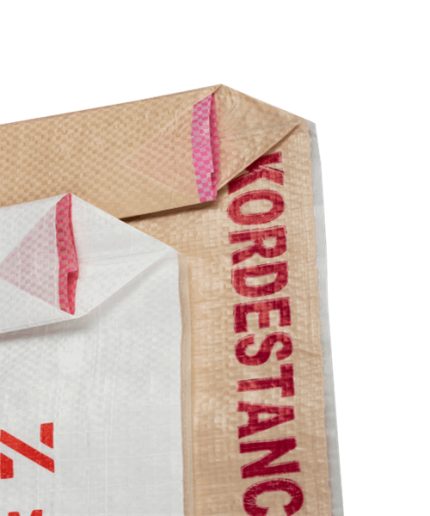
- Square Bottom for Stability: Unlike traditional gusseted bags, the block bottom design provides a flat, stable base that keeps the bag upright. This improves stacking efficiency and reduces the likelihood of shifting or collapsing during storage.
- Smooth Surface for Printing: The laminated outer layer offers a smooth canvas for high-quality, multi-color printing. This allows for clear display of product branding, safety information, and regulatory compliance markings.
- Versatility in Closure Types: Block bottom bags can be manufactured with different sealing options, including valve closures for automated filling or open-mouth designs for manual sealing.
Overall, the combination of advanced materials and thoughtful design ensures block bottom bags deliver outstanding performance and reliability in demanding industrial environments.
Material Structure and Design Benefits of block bottom bags:
| Feature | Description |
| Material | Laminated woven polypropylene (PP) fabric with polyethylene or polypropylene film lamination |
| Durability & Tear Resistance | High tensile strength fabric reduces risk of tears and punctures during handling and transport |
| Moisture Barrier | Laminated film prevents water vapor and humidity penetration, protecting moisture-sensitive products |
| Block Bottom Design | Flat, stable base for upright standing and improved stacking efficiency |
| Smooth Surface | Laminated outer layer provides ideal surface for high-quality, multi-color printing |
| Closure Options | Available with valve closures for automated filling or open-mouth for manual sealing |
Packaging Efficiency and Stackability
One of the standout advantages of block bottom bags is their exceptional packaging efficiency and superior stackability. These features not only optimize storage space but also streamline logistics and handling operations.
- Space Optimization
The square, flat-bottom design of these bags allows them to be stacked tightly with minimal gaps between units. This efficient use of space is particularly valuable in warehouses and during transport, where maximizing payload capacity reduces costs. - Stability During Transport and Storage
Unlike traditional bags with gusseted sides, block bottom bags maintain their shape and stand upright independently. This reduces the risk of tipping over, spilling contents, or damaging the bags during movement and stacking. - Ease of Handling
The stable base and uniform shape simplify palletizing and handling, whether done manually or with machinery. This improves speed and safety in packaging lines and distribution centers. - Consistency in Filling
Block bottom bags can be easily filled with bulk powders or granules using automated filling machines, ensuring consistent volume and weight. The rigid bottom supports quick, efficient filling without deformation. - Improved Presentation
On retail shelves or industrial storage areas, these bags present a neat and professional appearance, enhancing brand perception and customer confidence.
Customization Options Based on Industry Needs
Block bottom bags are highly adaptable and can be customized to meet the specific requirements of chemicals, fertilizer, and gypsum powder industries. Tailored features enhance functionality, safety, and branding effectiveness.
- Size and Weight Capacity
Bags can be manufactured in various sizes, commonly ranging from 5 kg up to 50 kg or more, depending on product density and handling preferences. - Printing and Branding
High-quality, multi-color printing allows companies to showcase their logos, product information, safety warnings, and certifications clearly. Custom printing helps differentiate products and comply with regulatory labeling standards. - Closure Types
- Valve Closures: Ideal for automated filling lines, these allow fast, dust-free filling and secure sealing.
- Open Mouth Closures: Suitable for manual filling and sealing, often heat sealed or stitched for product protection.
- UV Protection
For products exposed to sunlight during storage or transport, UV-resistant lamination can protect both the bag and its contents from degradation. - Anti-Slip and Reinforcement Features
Additions such as anti-slip coatings or reinforced stitching enhance safety during stacking and transport, preventing shifting and damage.
These customization options ensure that block bottom bags can be perfectly matched to the operational, safety, and marketing demands of each industry sector.
Safety, Durability, and Environmental Resistance
Block bottom bags are engineered to provide reliable safety and durability, especially when packaging sensitive or hazardous materials like chemicals, fertilizers, and gypsum powder.
- Robust Construction for Durability
The woven polypropylene fabric, combined with lamination, creates a tough barrier resistant to tears, punctures, and abrasion. This strength ensures the contents remain secure during rough handling, transportation, and storage. - Chemical Resistance
The laminated layers protect the bag from chemical reactions or degradation caused by exposure to various substances, maintaining the integrity of both the packaging and the product inside. - Moisture and Environmental Protection
By blocking moisture, dust, and contaminants, these bags prevent product spoilage and maintain consistent quality, which is critical for fertilizers and gypsum powders sensitive to humidity. - Compliance with Safety Standards
Many manufacturers produce block bottom bags adhering to international and industry-specific safety and environmental standards, ensuring safe use and transport of hazardous materials. - Temperature Resistance
Some laminated bags are designed to withstand a range of temperatures, preventing damage during extreme weather or temperature fluctuations throughout the supply chain.
These features collectively guarantee that block bottom bags offer a dependable and secure packaging solution that meets the rigorous demands of industrial applications.
Sustainability and Recycling Potential
In today’s environmentally conscious market, sustainability is a key factor in packaging decisions. Block bottom bags made from laminated woven polypropylene offer several eco-friendly advantages:
- Reusability
Thanks to their durable construction, these bags can often be reused multiple times, reducing the need for single-use packaging and lowering overall waste. - Recyclability
Polypropylene is a recyclable plastic, and many block bottom bags can be collected and processed through existing recycling programs. This helps minimize environmental impact compared to non-recyclable alternatives. - Reduced Material Usage
The efficient design of block bottom bags allows for strong packaging with less material compared to rigid containers or heavier sacks, contributing to resource conservation. - Lower Carbon Footprint in Logistics
The ability to stack and transport these bags efficiently reduces the number of trips required during shipping, cutting down fuel consumption and associated emissions. - Innovations in Biodegradable and Compostable Films
Some manufacturers are exploring the integration of biodegradable or compostable lamination films, aiming to enhance the eco-friendliness of block bottom bags without sacrificing performance.
By balancing performance with sustainability, block bottom bags provide a responsible packaging choice that aligns with the growing demand for greener industrial solutions.
Conclusion: The Smart Choice for Modern Bulk Packaging
Block bottom bags represent a sophisticated and practical solution for packaging bulk materials like chemicals, fertilizers, and gypsum powder. Their innovative design delivers superior stability, efficient stacking, and robust protection against moisture and contaminants, ensuring products reach their destination in optimal condition.
With customizable options for size, closure types, and printing, these bags also enhance branding opportunities and operational efficiency. The durability and environmental resistance of laminated woven polypropylene construction provide peace of mind during handling, storage, and transport.
Moreover, their sustainability benefits—including reusability, recyclability, and potential for incorporating eco-friendly materials—make block bottom bags a forward-thinking choice in today’s market focused on reducing environmental impact.
For industries that demand reliability, safety, and presentation in bulk packaging, block bottom bags offer a versatile, cost-effective, and environmentally conscious solution that meets the challenges of modern supply chains.
Reviews
There are no reviews yet.