

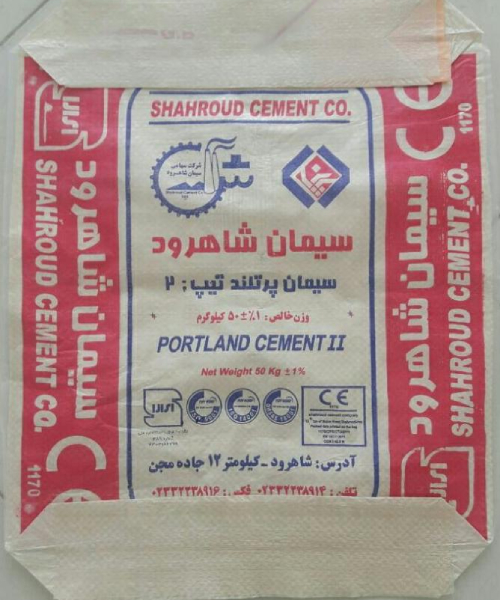
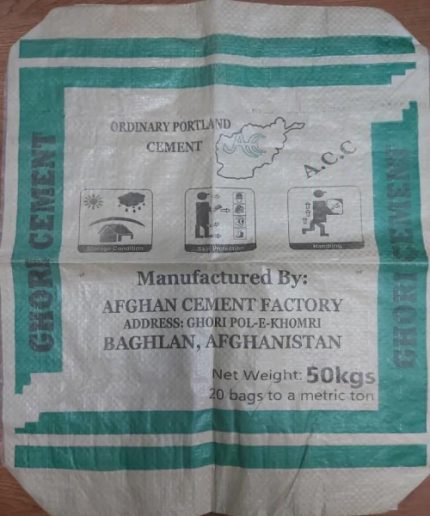
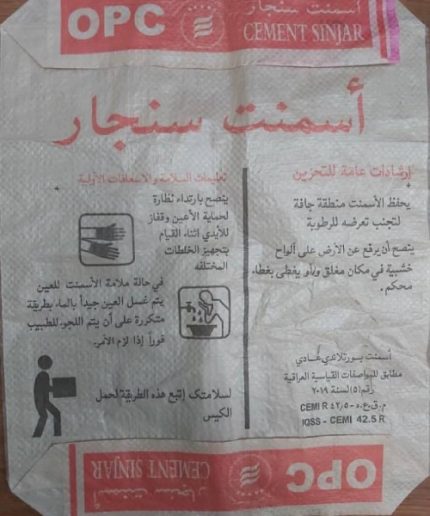
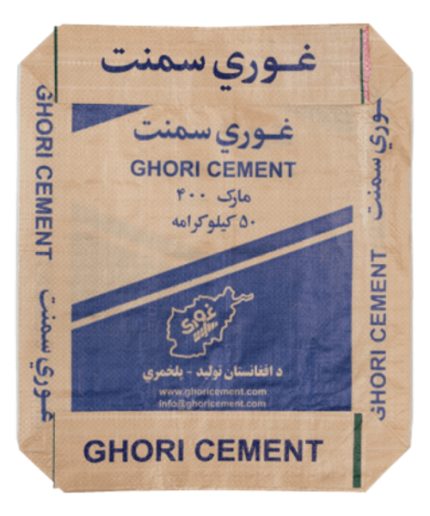
Laminated Cement Bag
In the construction industry, packaging plays a crucial role in preserving the quality and integrity of cement during storage and transportation. Among various packaging options, laminated cement bags have emerged as a highly reliable and efficient solution. These bags combine the strength of woven polypropylene (PP) fabric with a protective laminated layer, offering enhanced durability, moisture resistance, and excellent printability.
Laminated cement bags not only safeguard the cement from external factors such as moisture, dust, and UV exposure but also provide manufacturers with a high-quality surface to showcase their branding and product information. This makes them a preferred choice for cement producers looking to maintain product quality while strengthening their brand presence in the market.
In this article, we will explore the features, benefits, and applications of laminated cement bags, helping you understand why they are essential for modern cement packaging solutions.
What Are Laminated Cement Bags?
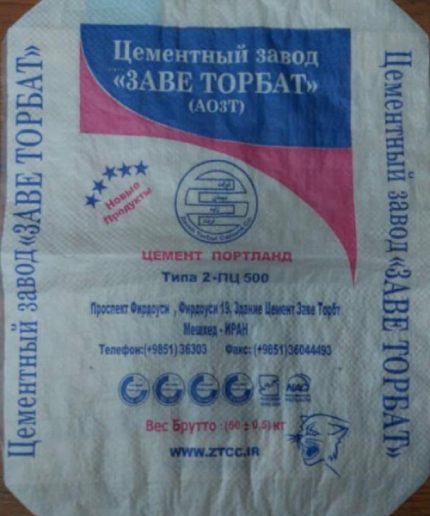
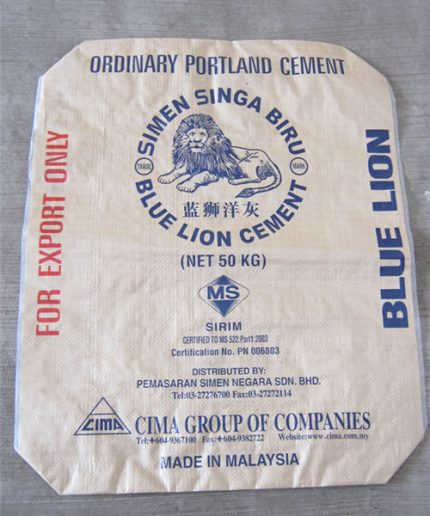
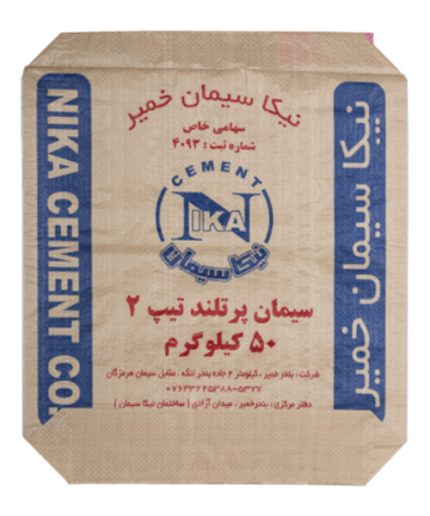
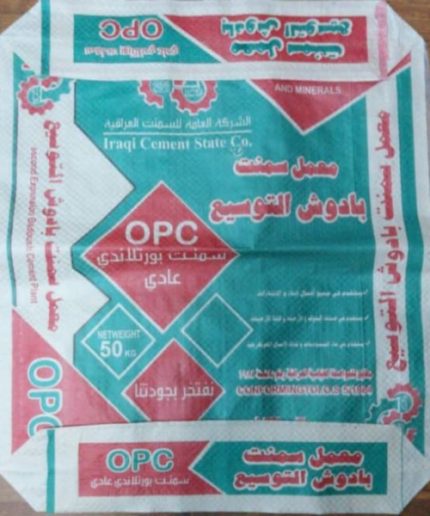
Laminated cement bags are specially designed packaging solutions made from woven polypropylene (PP) fabric coated with a thin layer of laminated film. This lamination, usually made from materials like BOPP (Biaxially Oriented Polypropylene) or PE (Polyethylene), enhances the bag’s resistance to moisture, dust, and environmental damage.
The lamination layer not only acts as a protective barrier but also provides a smooth, printable surface, allowing manufacturers to apply high-quality, vibrant graphics and essential product information. These bags are typically used to package cement in weights ranging from 25 kg to 50 kg.
Thanks to their strength, durability, and resistance to harsh conditions, laminated cement bags are widely adopted across the cement industry for both domestic distribution and export purposes.
Key Features of Laminated Cement Bags
Laminated cement bags boast several important features that make them ideal for packaging cement efficiently and safely:
Durability and Strength
Constructed from woven polypropylene fabric combined with lamination, these bags provide superior tensile strength, making them resistant to tearing and punctures during handling and transportation.
Moisture Resistance
The laminated layer acts as a waterproof barrier, protecting the cement from humidity and moisture, which can otherwise cause the product to harden or lose quality.
High-Quality Printing Surface
The smooth laminated surface supports vibrant, multi-color printing, allowing manufacturers to display logos, product details, safety warnings, and certifications with clarity.
UV Protection
Some laminated bags include UV-resistant coatings to protect the cement from sunlight exposure, preventing degradation during outdoor storage.
Customizable Sizes and Weights
Available in various sizes, laminated cement bags can be customized to hold different cement quantities, commonly 25 kg and 50 kg, depending on the manufacturer’s requirements.
Eco-Friendly Options
Many laminated bags are now designed with recyclable materials and sustainable lamination, contributing to environmental responsibility.
key features of laminated cement bags:
| Feature | Description |
| Durability and Strength | Made from woven PP fabric with lamination for high tear and puncture resistance |
| Moisture Resistance | Laminated layer acts as a waterproof barrier protecting cement from humidity |
| High-Quality Printing | Smooth laminated surface supports vibrant, multi-color printing for branding and information |
| UV Protection | Optional UV-resistant coating protects contents from sunlight during outdoor storage |
| Customizable Sizes | Available in various sizes, commonly 25 kg and 50 kg, tailored to manufacturer requirements |
| Eco-Friendly Options | Use of recyclable materials and sustainable lamination to reduce environmental impact |
Types of Lamination Used in Cement Bags
The lamination layer in cement bags plays a vital role in enhancing the bag’s protective qualities. Different lamination materials and techniques are used depending on the desired properties and application:
BOPP Lamination (Biaxially Oriented Polypropylene)
- Provides excellent moisture and UV resistance
- Offers a high-gloss finish for vibrant printing and better aesthetics
- Commonly used for export-quality cement bags requiring superior protection
PE Lamination (Polyethylene)
- Flexible and tough, providing good moisture barrier properties
- Usually matte or semi-gloss finish
- Cost-effective choice for domestic packaging
Metallized Lamination
- A thin layer of metal (usually aluminum) is applied for enhanced barrier properties
- Offers superior protection against moisture, oxygen, and light
- Used when long shelf life and extreme environmental protection are necessary
Multi-Layer Lamination
- Combines different lamination materials in layers to achieve tailored protection and durability
- Can include UV stabilizers, anti-slip coatings, or anti-static layers
- Suitable for specialized packaging requirements
Types of lamination used in cement bags:
| Type of Lamination | Description | Key Benefits | Common Uses |
| BOPP Lamination | Biaxially Oriented Polypropylene; high-gloss finish | Excellent moisture & UV resistance; vibrant print quality | Export-quality cement bags |
| PE Lamination | Polyethylene; flexible and tough, matte or semi-gloss finish | Good moisture barrier; cost-effective | Domestic packaging |
| Metallized Lamination | Thin aluminum layer for enhanced barrier properties | Superior protection against moisture, oxygen & light | Long shelf life & extreme protection |
| Multi-Layer Lamination | Combination of multiple lamination layers with added features like UV stabilizers, anti-slip coats | Tailored protection & durability | Specialized packaging requirements |
Benefits of Laminated Cement Bags Over Traditional Bags
Laminated cement bags offer several advantages compared to traditional paper or non-laminated woven bags, making them the preferred choice for modern cement packaging:
Superior Protection Against Moisture
Unlike paper bags, laminated bags provide a strong moisture barrier, preventing cement from hardening and preserving its quality during storage and transportation.
Enhanced Durability
The combination of woven polypropylene and lamination increases tear and puncture resistance, reducing the risk of bag failure during handling.
Improved Print Quality and Branding
Laminated surfaces allow for high-resolution, colorful printing, enabling manufacturers to present clear product information and attractive branding.
Better Shelf Life
The moisture and UV resistance properties extend the product’s shelf life, especially in humid or outdoor environments.
Eco-Friendly Options
Many laminated bags are now designed with recyclable materials and sustainable processes, addressing environmental concerns associated with traditional packaging.
Cost Efficiency in the Long Run
Though laminated bags may have a higher upfront cost than paper bags, their durability and protection reduce product loss and damage, leading to overall savings.
Benefits of laminated cement bags over traditional bags:
| Benefit | Description |
| Superior Moisture Protection | Prevents cement hardening by blocking moisture, unlike paper bags |
| Enhanced Durability | High tear and puncture resistance reduces bag damage during handling |
| Improved Print Quality | Smooth laminated surface allows vibrant, clear branding and product info printing |
| Better Shelf Life | Moisture and UV resistance extends product freshness in humid or outdoor storage |
| Eco-Friendly Options | Available recyclable and sustainable materials reduce environmental impact |
| Cost Efficiency Over Time | Higher upfront cost offset by reduced product loss and damage |
Customization Options for Laminated Cement Bags
Laminated cement bags offer a variety of customization options to meet specific business needs and enhance product presentation:
Printing and Design
High-quality lamination supports vibrant multi-color printing, allowing manufacturers to include logos, product information, safety instructions, and certifications with sharp clarity. Custom designs help reinforce brand identity and attract customers.
Size and Weight Capacity
Bags can be tailored to different sizes and weights, commonly designed for 25 kg or 50 kg cement packaging, but other sizes are also available based on client requirements.
Closure Types
Different closure options such as valve bags, open-mouth bags, or sewn bags can be chosen depending on packaging machinery and ease of use.
Additional Features
Options like anti-slip coatings for better stacking, UV protection layers for outdoor storage, and anti-static coatings to reduce dust attraction can be added to improve functionality.
Eco-Friendly Materials
Customers can opt for bags made from recyclable laminated films or biodegradable materials to support sustainability goals.
Common Applications of Laminated Cement Bags
Laminated cement bags are widely used across various sectors in the construction and building materials industries due to their durability and protective features:
Cement Packaging
The primary use is for packing cement powder, ensuring it remains dry and intact from manufacturing plants to construction sites.
Construction Materials
Besides cement, laminated bags are also used for packaging other powdered construction materials like plaster, mortar, and drywall compounds.
Industrial Packaging
Some industries use laminated PP bags for packaging granular and powdered products requiring moisture resistance and durability during transport and storage.
Export and Domestic Markets
Thanks to their robust design and print quality, laminated cement bags are suitable for both domestic distribution and export, helping brands maintain consistent quality and visibility worldwide.
Common applications of laminated cement bags:
| Application Area | Description |
| Cement Packaging | Used primarily for packing cement powder to keep it dry and intact during transport and storage |
| Construction Materials | Suitable for other powdered materials like plaster, mortar, and drywall compounds |
| Industrial Packaging | Used in industries requiring moisture-resistant, durable bags for granular and powdered products |
| Export and Domestic Markets | Ideal for both local distribution and international export due to durability and high-quality printing |
How to Choose the Best Laminated Cement Bag Supplier
Selecting the right supplier for laminated cement bags is crucial for ensuring quality, reliability, and cost-effectiveness. Here are key factors to consider when choosing a supplier:
Quality Assurance
Look for suppliers who provide bags made with high-grade woven polypropylene and lamination materials, backed by quality certifications and testing.
Customization Capabilities
Choose suppliers that offer a wide range of customization options including printing, sizes, closure types, and special coatings to meet your specific packaging needs.
Production Capacity and Delivery
Ensure the supplier can meet your volume demands consistently and deliver on time to avoid production delays.
Competitive Pricing
Compare prices but be cautious of unusually low costs that may compromise quality. Value for money is key.
Sustainability Practices
If eco-friendliness is important to your brand, select suppliers who use recyclable materials and sustainable manufacturing processes.
Customer Support and Service
A responsive and knowledgeable supplier who offers good after-sales support can help resolve issues quickly and build a strong business relationship.
Reviews
There are no reviews yet.