

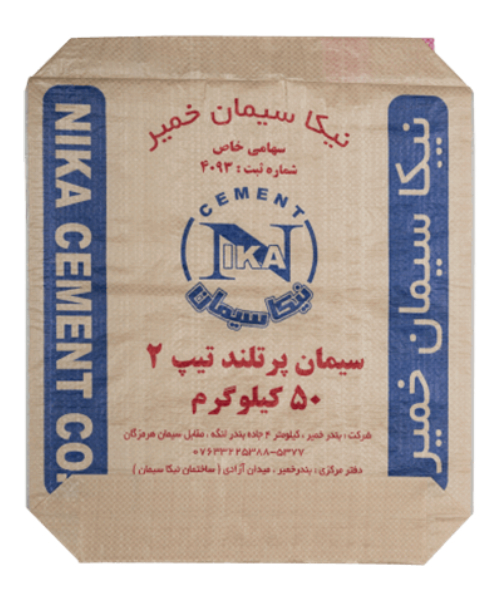
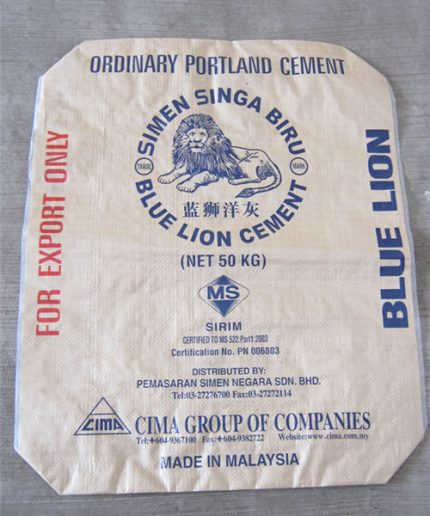
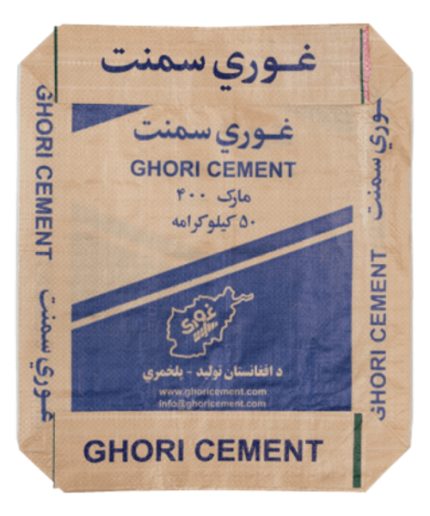
Square Bottom Gusset Bags for Cement
Introduction to Square Bottom Gusset Bags for Cement
In the construction industry, packaging plays a crucial role in maintaining the quality and ease of handling of cement. Among the various packaging options, Square Bottom Gusset Bags have gained significant popularity for cement storage and transportation. These bags combine the stability of a square bottom with the added flexibility of gussets—side folds that expand the bag’s capacity and shape.
Designed to enhance stacking efficiency and protect cement from external elements like moisture and dust, square bottom gusset bags offer a practical and durable solution. Their robust construction and user-friendly design make them ideal for manufacturers, distributors, and construction professionals looking for reliable packaging that meets the rigorous demands of the cement industry.
In this article, we will explore the features, benefits, and applications of square bottom gusset bags, helping you understand why they are a preferred choice for cement packaging.
Key Features of Square Bottom Gusset Bags
Square bottom gusset bags come with several important features that make them ideal for cement packaging:
- Expandable Gussets: Side gussets allow the bag to expand, increasing the volume and making it easier to fill and handle.
- Flat Square Bottom: Provides excellent stability, allowing the bags to stand upright and stack securely.
- Durable Material: Typically made from woven polypropylene (PP) or laminated materials that offer high tear resistance and moisture protection.
- Moisture Resistance: Many bags have an inner coating or lamination to prevent cement from absorbing moisture, which can compromise quality.
- Strong Seams: Heat-sealed or stitched seams ensure the bag can withstand heavy loads without tearing or leaking.
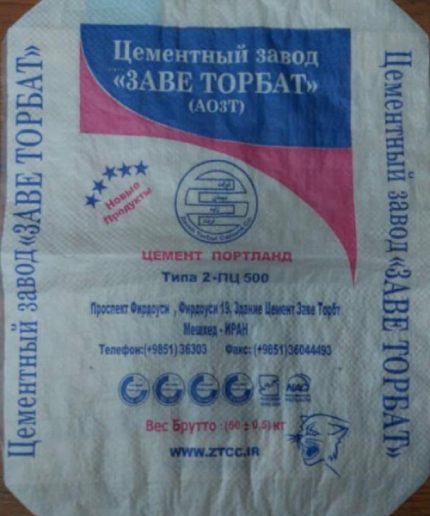
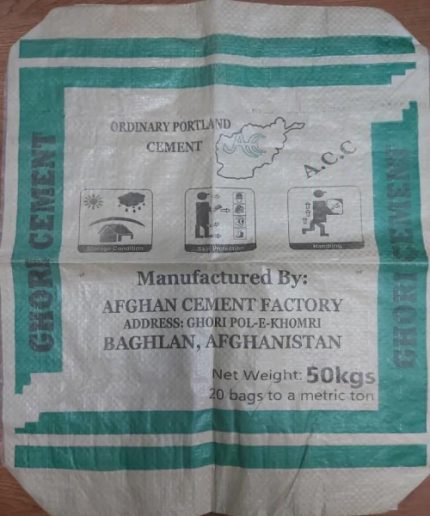
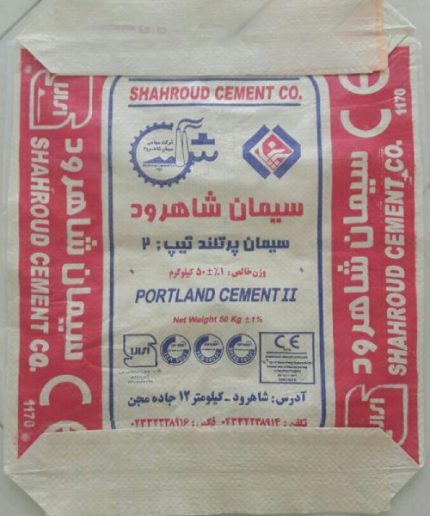
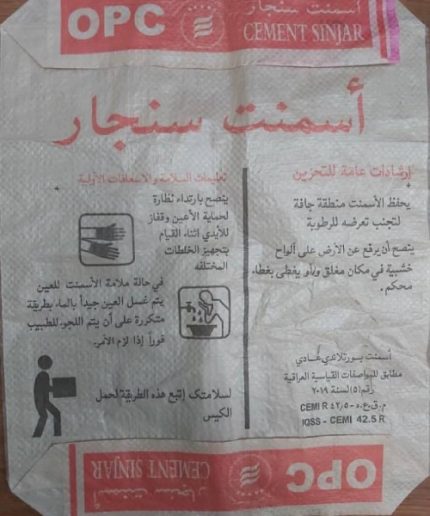
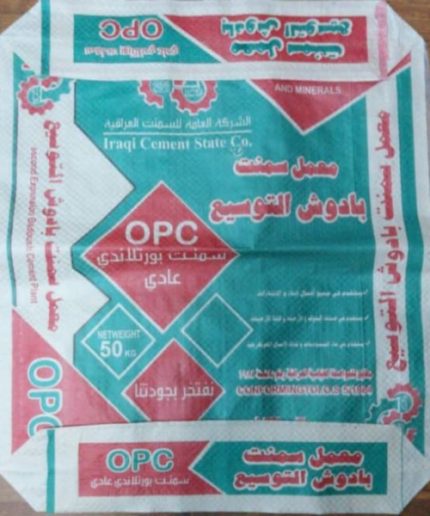
- Custom Printing: Smooth surfaces allow for vibrant branding and clear product information.
- UV Protection: Some bags are treated with UV stabilizers to enhance durability during outdoor storage.
These features combine to provide a packaging solution that maintains cement integrity, facilitates efficient handling, and supports branding efforts.
Advantages of Using Gusset Bags in Cement Packaging
Using square bottom gusset bags for cement packaging offers several key advantages:
- Enhanced Capacity: Gussets provide extra room inside the bag, allowing for larger volumes without increasing external dimensions significantly.
- Improved Stability: The flat, square bottom ensures the bags stand upright securely, reducing the risk of toppling during storage and transport.
- Better Handling: Expanded gussets make filling and emptying easier, improving efficiency in packaging lines and at construction sites.
- Space Efficiency: The shape allows for compact stacking, maximizing warehouse and transport space utilization.
- Moisture Protection: Many gusset bags feature laminated coatings that safeguard cement from moisture, preventing clumping and quality degradation.
- Durability: Made from robust materials, gusset bags resist tears, punctures, and abrasion, protecting the product throughout the supply chain.
- Branding and Information: The bags’ printable surfaces enable manufacturers to display logos, safety instructions, and certifications clearly.
These advantages make square bottom gusset bags a practical, reliable choice for the cement industry.
Advantages of Using Gusset Bags in Cement Packaging:
| Advantage | Description | Benefit |
| Enhanced Capacity | Gussets increase internal volume without expanding external size | More cement per bag, efficient packaging |
| Improved Stability | Flat, square bottom allows bags to stand upright securely | Reduced risk of toppling and damage |
| Better Handling | Gussets facilitate easier filling and emptying | Increased efficiency in packaging process |
| Space Efficiency | Compact stacking enabled by bag shape | Optimized storage and transport space |
| Moisture Protection | Laminated coatings prevent moisture ingress | Maintains cement quality and usability |
| Durability | Robust materials resist tears and punctures | Protects product throughout supply chain |
| Branding and Information | Printable surfaces for logos and safety info | Enhances brand visibility and compliance |
Materials and Construction of Gusset Bags
Square bottom gusset bags are primarily made from woven polypropylene (PP), which offers excellent strength and durability needed for heavy materials like cement. The construction usually involves multiple layers:
- Woven PP Fabric: Provides tensile strength and resistance to tearing and abrasion.
- Lamination or Coating: Many bags feature a polyethylene (PE) or polypropylene laminate layer that adds moisture resistance, protecting cement from humidity and water damage.
- Reinforced Seams: Seams are often heat-sealed or double-stitched to enhance durability and prevent leakage.
- UV Stabilizers: Some bags include UV-resistant additives to maintain strength and color when exposed to sunlight during outdoor storage.
This layered construction ensures that gusset bags can withstand the rigors of storage, transport, and handling while keeping cement dry and intact.
Standard Sizes and Capacities of Square Bottom Gusset Bags
Square bottom gusset bags for cement come in various sizes to meet different packaging and handling needs. The most common sizes include:
| Bag Size | Typical Capacity | Common Use |
| 25 kg (50 lbs) | Suitable for retail packaging and small-scale projects | Easy for individual handling and transport |
| 40 kg (88 lbs) | Mid-range capacity for general construction needs | Balances volume and manageability |
| 50 kg (110 lbs) | Standard size for bulk cement packaging | Preferred for large-scale industrial use |
These sizes can be customized based on client requirements, with gusset dimensions adjusted to optimize the bag’s volume and stability. Additionally, bag thickness can vary, typically ranging from 80 to 120 grams per square meter (GSM), depending on the desired durability and moisture protection.
How Gusset Bags Improve Cement Storage and Transport
Square bottom gusset bags provide significant improvements in both the storage and transportation of cement:
- Stackability: The flat bottom and gusseted sides enable stable stacking in warehouses and on pallets, minimizing space waste and preventing bag slippage.
- Protection: Laminated surfaces and durable materials protect cement from moisture, dust, and mechanical damage during transit.
- Ease of Handling: Gusseted sides allow the bags to expand and contract slightly, making them easier to grip and carry, especially for manual handling on construction sites.
- Reduced Damage: The reinforced seams and robust construction reduce the risk of tears or punctures, ensuring cement remains contained and uncontaminated.
- Optimized Loading: The bags’ shape allows for efficient packing in trucks and containers, maximizing cargo space and reducing shipping costs.
Together, these benefits contribute to preserving cement quality while lowering logistical challenges and costs.
Common Applications in the Cement Industry
Square bottom gusset bags are widely used across various segments of the cement industry, including:
- Retail Packaging: Ideal for smaller cement bags sold in hardware stores and to individual customers, thanks to their ease of handling and appealing presentation.
- Bulk Packaging: Used by cement manufacturers and suppliers to package large quantities, facilitating efficient transportation and storage.
- Construction Sites: Favored on construction sites for their durability and moisture resistance, ensuring cement remains usable until application.
- Export and Distribution: Suitable for export shipments due to their strong structure and ability to protect cement from environmental factors during long transit periods.
- Specialty Cements: Used to package specialty cement types or additives requiring secure, moisture-proof containment.
These versatile bags help ensure cement reaches the end-user in optimal condition, supporting quality assurance throughout the supply chain.
Common Applications of Square Bottom Gusset Bags in the Cement Industry:
| Application Area | Description | Benefits |
| Retail Packaging | Smaller bags for sale in hardware stores and direct customers | Easy handling, attractive packaging |
| Bulk Packaging | Large quantity bags used by manufacturers and suppliers | Efficient transport and storage |
| Construction Sites | Durable bags used on-site for direct cement application | Moisture resistance, reliability |
| Export and Distribution | Bags designed for long transit and environmental protection | Protects cement during shipping |
| Specialty Cements | Packaging for specialty cement types and additives | Secure, moisture-proof containment |
Environmental Impact and Recycling Options
As sustainability becomes a priority across industries, the environmental impact of cement packaging is gaining more attention. Square bottom gusset bags offer several eco-friendly benefits:
- Recyclable Materials: Most gusset bags are made from polypropylene (PP), which is recyclable and can be processed into new plastic products, reducing landfill waste.
- Reduced Material Use: The gusset design allows for efficient packaging with less material while maintaining strength, minimizing plastic consumption.
- Durability Means Less Waste: Strong, reusable bags reduce the likelihood of damage and waste during transport and storage.
- Potential for Reuse: In some cases, gusset bags can be reused multiple times, further lowering environmental impact.
- Compliance with Regulations: Many manufacturers produce gusset bags that comply with environmental standards and packaging regulations, helping companies meet sustainability goals.
Choosing gusset bags with eco-conscious features supports greener supply chains and helps construction companies reduce their carbon footprint.
Tips for Choosing the Right Square Bottom Gusset Bag for Your Needs
Selecting the ideal square bottom gusset bag for cement packaging depends on several important factors:
- Material Quality: Opt for high-quality woven polypropylene with adequate lamination to ensure durability and moisture resistance.
- Bag Size and Capacity: Choose the size that matches your cement quantity requirements and handling capabilities, balancing volume with ease of transport.
- Seam Strength: Check for reinforced, heat-sealed seams that can withstand heavy loads and rough handling.
- Printing and Branding: If branding is important, select bags with smooth surfaces suitable for high-quality printing.
- Environmental Considerations: Consider recyclable or reusable options to align with sustainability goals.
- Supplier Reliability: Work with reputable manufacturers or suppliers who provide consistent quality and can customize bags as per your specifications.
- UV Protection: For outdoor storage, select bags treated with UV stabilizers to prevent degradation from sunlight exposure.
By considering these factors, you can ensure that your cement packaging is both functional and cost-effective, protecting your product and enhancing operational efficiency.
Conclusion
Square bottom gusset bags have become a preferred choice in cement packaging due to their unique design, durability, and versatility. Their expandable gussets and flat bottom provide excellent stability, increased capacity, and easier handling compared to traditional bags. Made from strong, moisture-resistant materials, these bags protect cement quality throughout storage and transport, reducing waste and damage.
Moreover, with growing emphasis on sustainability, many gusset bags now offer recyclable and reusable options, helping the cement industry move toward greener practices. By selecting the right gusset bag tailored to your needs, you can improve packaging efficiency, safeguard your product, and support environmental responsibility.
Investing in high-quality square bottom gusset bags is a smart solution that benefits manufacturers, suppliers, and end-users alike in the cement sector.
Reviews
There are no reviews yet.