

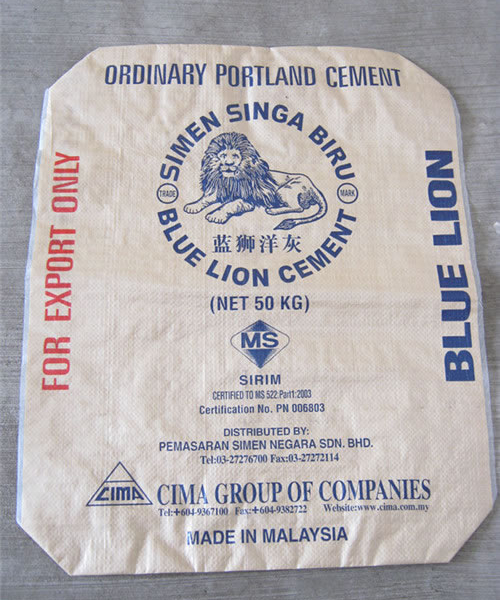
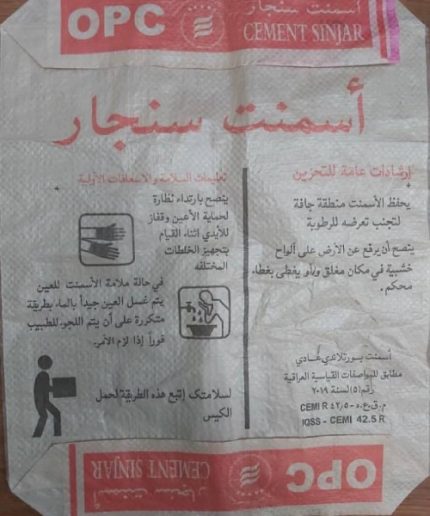
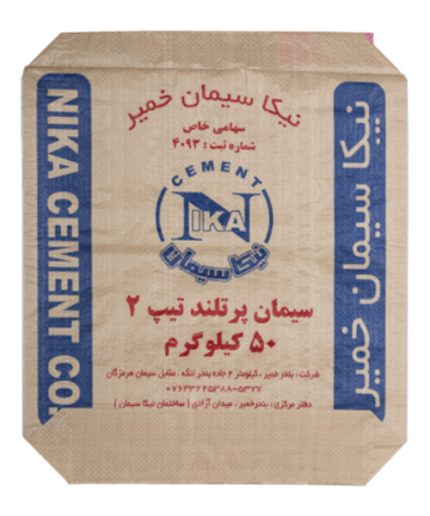
Laminated Woven Polypropylene Bag for Cement
Introduction to Laminated Woven Polypropylene Bags for Cement
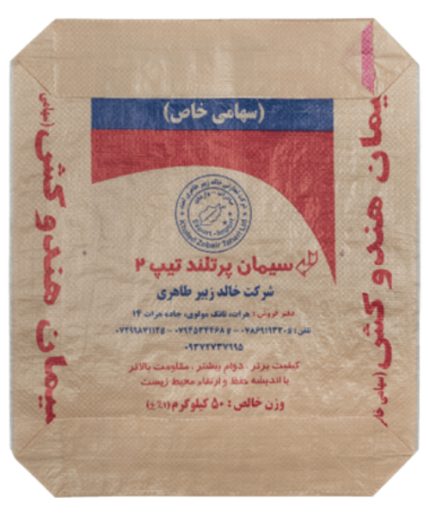
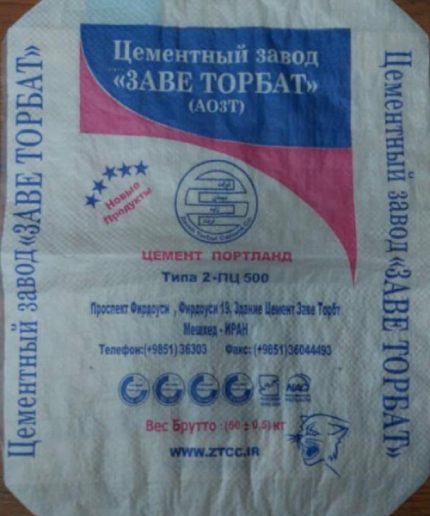
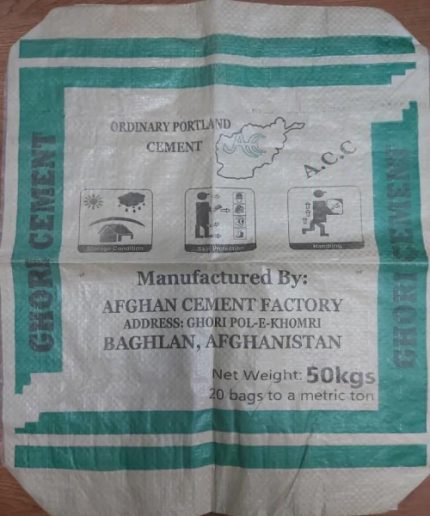
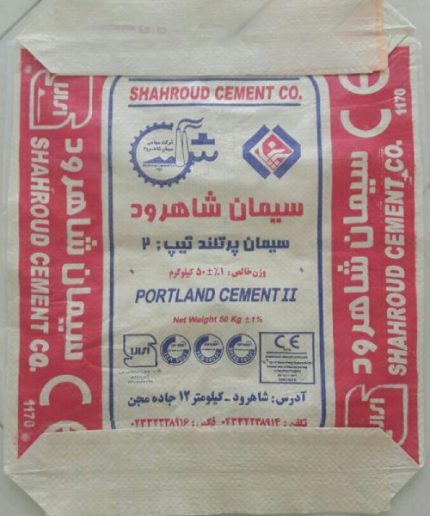
Laminated woven polypropylene (PP) bags have become a popular choice for cement packaging due to their strength, durability, and protective qualities. These bags are made by weaving polypropylene fibers into a fabric, which is then laminated with a plastic film to enhance moisture resistance and improve printability.
Unlike traditional paper bags, laminated woven PP bags provide superior protection against environmental factors like humidity and rough handling, making them ideal for storing and transporting cement. Their robust construction helps prevent cement from hardening prematurely and ensures the product reaches the end user in optimal condition.
In addition to their protective features, these bags also allow for high-quality branding and product information printing, which is essential for manufacturers seeking to stand out in competitive markets.
Key Features of Laminated Woven Polypropylene Bags
Laminated woven polypropylene bags come with a range of features that make them highly suitable for cement packaging:
- High Tensile Strength: The woven structure provides excellent resistance to tearing and bursting, ensuring durability during handling and transport.
- Moisture Resistance: The laminated layer acts as a barrier against moisture, protecting the cement from humidity and water damage.
- Lightweight Yet Strong: Despite their strength, these bags remain lightweight, which helps reduce shipping costs.
- Customizable Printing Surface: The laminated surface allows for vibrant and detailed printing, improving brand visibility and compliance with packaging regulations.
- UV Resistance: Many laminated bags include UV inhibitors to prevent degradation when exposed to sunlight, extending shelf life.
- Reusability: Due to their strength, some bags can be reused for multiple purposes, adding to their cost-effectiveness.
These features collectively contribute to making laminated woven PP bags a reliable and efficient solution for cement packaging needs.
Key features of laminated woven polypropylene bags:
| Feature | Description | Benefit |
| High Tensile Strength | Woven structure resists tearing and bursting | Durable during handling and transport |
| Moisture Resistance | Laminated layer blocks humidity and water | Protects cement from moisture damage |
| Lightweight Yet Strong | Strong construction with minimal weight | Reduces shipping costs |
| Customizable Printing | Smooth laminated surface supports vibrant, detailed printing | Enhances brand visibility and compliance |
| UV Resistance | UV inhibitors prevent material degradation under sunlight | Extends shelf life |
| Reusability | Can be reused due to durability | Cost-effective and eco-friendly |
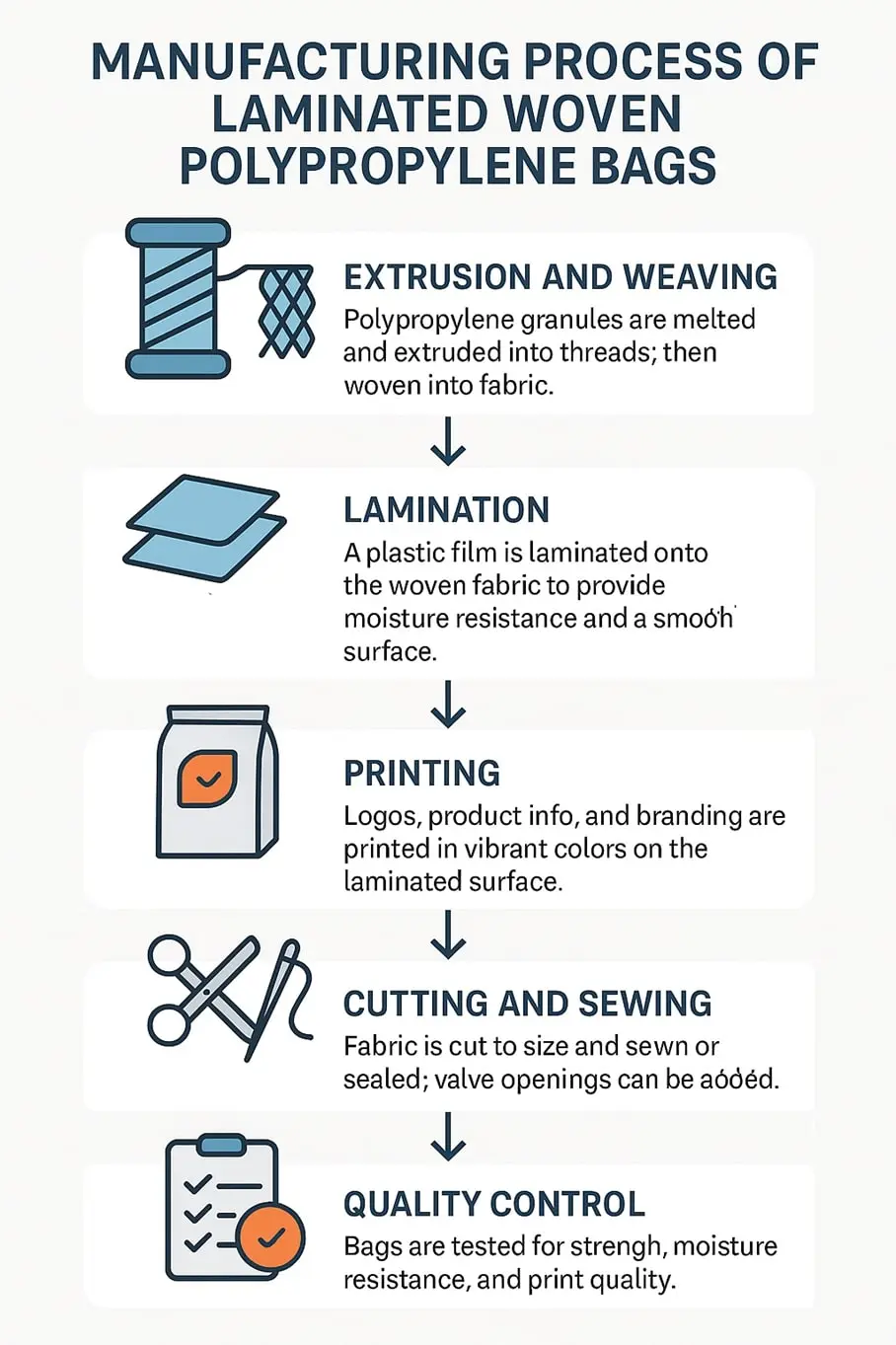
Manufacturing Process of Laminated Woven Polypropylene Bags
The production of laminated woven polypropylene bags involves several precise steps to ensure quality and durability:
- Extrusion and Weaving:
Polypropylene granules are melted and extruded into thin threads, which are then woven together to form a strong fabric base. - Lamination:
A plastic film—often polyethylene or polypropylene—is laminated onto the woven fabric. This lamination provides a moisture barrier and creates a smooth surface ideal for printing. - Printing:
Using advanced printing techniques, manufacturers apply logos, product details, safety information, and branding onto the laminated surface with vibrant colors and high resolution. - Cutting and Sewing:
The laminated fabric is cut into the desired bag size, and edges are sewn or sealed to form the final product. Specialized closures like valve openings can also be incorporated. - Quality Control:
Each batch undergoes rigorous testing for strength, moisture resistance, and print quality to ensure the bags meet industry standards.
This controlled process results in laminated woven PP bags that are both functional and visually appealing, perfectly suited for the demanding needs of cement packaging.
Advantages of Laminated Woven Polypropylene Bags for Cement Packaging
Laminated woven polypropylene (PP) bags offer numerous benefits that make them a top choice for cement packaging. These advantages contribute to both the efficiency of the supply chain and the satisfaction of end users:
- Superior Strength and Durability
Thanks to the woven structure and lamination layer, these bags can withstand the rough handling and stacking common in cement logistics. Their high tensile strength helps prevent tearing or bursting during transport and storage. - Moisture and Weather Resistance
The lamination acts as a barrier against moisture, preventing the cement from clumping or hardening due to humidity or water exposure. This feature ensures product integrity even in harsh environmental conditions. - Excellent Printability and Branding
The smooth laminated surface supports high-quality printing, enabling manufacturers to clearly display branding, handling instructions, and regulatory details. This not only enhances the bag’s appearance but also improves brand visibility in the market. - Cost-Effectiveness
Compared to paper sacks or other alternatives, laminated woven PP bags offer a longer shelf life and reduced product loss, leading to overall cost savings for manufacturers and distributors. - Eco-Friendly and Recyclable
These bags are reusable and recyclable, contributing to sustainability goals. Many suppliers now offer bags made from recycled materials, supporting a circular economy in packaging.
Applications in the Cement Industry
Laminated woven polypropylene (PP) bags have become a staple in the cement industry due to their performance, adaptability, and cost efficiency. Their design and structure make them suitable for a wide range of uses in both retail and industrial cement packaging.
- Packaging of Various Cement Types
Whether it’s Portland cement, white cement, blended cement, or other specialty formulations, laminated woven PP bags are ideal for preserving the quality of the product. Their resistance to moisture and contaminants ensures that cement remains dry and usable from factory to job site. - Bulk and Retail Distribution
These bags are available in various capacities—commonly 25 kg and 50 kg—for retail use. For bulk supply, larger sizes with valve or open-mouth closures are used. Their light weight and ease of handling make them efficient for both manual and automated filling lines. - Export-Ready Packaging
For international shipments, durability is crucial. Laminated woven PP bags meet international standards for strength and weather resistance, ensuring that cement can be transported across long distances without compromising product integrity. - Branding in Competitive Markets
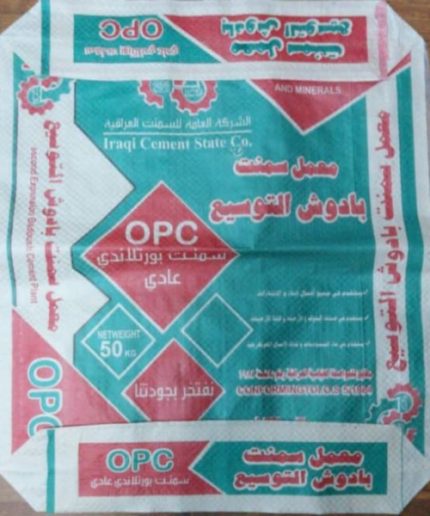
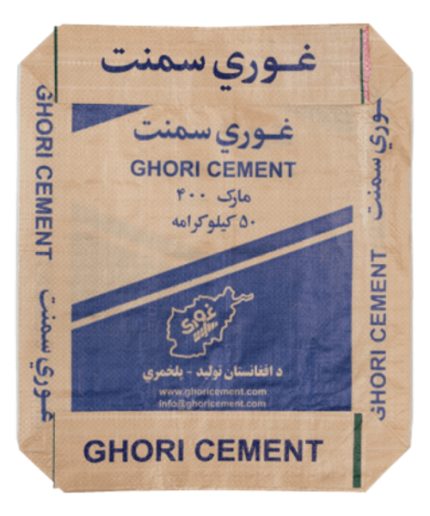
In markets where multiple cement brands compete for visibility, printed laminated bags serve as powerful marketing tools. High-resolution logos and product information create a strong brand presence at retail points and construction sites alike. - Compatibility with Valve Bagging Systems
Many laminated woven PP bags are designed to be compatible with valve-type filling machines, making them a go-to solution for high-speed packaging lines in cement manufacturing plants.
Customization Options for Laminated Woven Polypropylene Cement Bags
One of the key advantages of laminated woven polypropylene bags is their adaptability to specific customer requirements. Cement manufacturers can choose from a variety of customization options to ensure their packaging is both functional and aligned with brand identity.
- Size and Capacity
Bags can be tailored to hold different volumes of cement—typically 25 kg, 40 kg, or 50 kg. Custom sizes are also available based on client specifications and market demands. - Valve Type or Open Mouth Design
Depending on the filling and sealing equipment used, bags can be manufactured with a self-closing valve (ideal for automated systems) or an open-mouth design that is manually sealed or stitched. - Printing and Branding
Up to 8-color high-definition flexographic or rotogravure printing is available. This allows for clear, vibrant printing of logos, handling instructions, safety icons, QR codes, and regulatory information. - UV Protection and Coating
For cement stored outdoors, UV-stabilized lamination or additives can be included to protect bags from sun damage, extending their shelf life and keeping branding intact. - Anti-Slip Features
Special surface textures or coatings can be added to prevent slipping during stacking, making transportation and storage safer and more efficient. - Gusseted and Block-Bottom Designs
To enhance stacking stability and space efficiency, some bags are manufactured with gusseted sides or block-bottom construction, allowing them to stand upright.
These customization features not only improve the functionality of cement packaging but also help manufacturers differentiate their products in a crowded market.
Table: Customization Options for Laminated Woven PP Cement Bags
| Feature | Description |
| Bag Size & Capacity | Common options: 25 kg, 40 kg, 50 kg; customizable sizes available |
| Closure Type | Valve type (for automated filling) or open mouth (manual/stitched sealing) |
| Printing Capability | Up to 8-color high-resolution flexographic or rotogravure printing |
| Branding Elements | Logos, product details, safety info, QR codes, and barcodes |
| UV Protection | Optional UV-stabilized lamination for outdoor storage and sun resistance |
| Anti-Slip Coating | Special surface treatments for safer stacking and handling |
| Bag Shape Options | Flat, gusseted sides, or block-bottom for better stability and shelf presence |
Environmental Impact and Sustainability
As the demand for eco-conscious packaging grows, laminated woven polypropylene (PP) bags are increasingly being evaluated for their environmental performance. Fortunately, advancements in materials and production processes have positioned these bags as a more sustainable choice compared to traditional alternatives.
- Reusability
Laminated woven PP bags are durable and can be reused multiple times for storage, transport, or even repurposed in other industries. This reusability reduces the overall demand for single-use packaging. - Recyclability
Unlike multi-layer paper sacks or composite bags that are difficult to recycle, laminated woven PP bags are made from a single type of plastic—polypropylene—which is recyclable in many industrial recycling facilities. - Reduced Product Waste
Their high strength and moisture resistance minimize breakage and spillage, helping to reduce cement loss during transportation and storage—indirectly contributing to environmental savings. - Lightweight Material
These bags are lighter than many traditional packaging options, which reduces fuel consumption and carbon emissions during transportation, especially in bulk logistics. - Use of Recycled Materials
Many manufacturers now offer laminated woven bags made partly or entirely from recycled polypropylene, further lowering the environmental footprint of production. - Compliance with Sustainability Standards
Eco-conscious manufacturers adhere to certifications such as ISO 14001 (Environmental Management) or GRS (Global Recycled Standard), offering customers packaging options that align with green goals.
Conclusion
Laminated woven polypropylene (PP) bags have revolutionized cement packaging by offering a reliable, cost-effective, and visually appealing solution that meets the industry’s practical demands. From their robust construction and resistance to moisture, to their customizable design and eco-friendly advantages, these bags address every critical aspect of modern packaging.
For cement manufacturers and suppliers, choosing laminated woven PP bags means investing in a packaging option that enhances product protection, supports branding efforts, reduces waste, and contributes to sustainability initiatives. Whether for domestic distribution or international export, these bags stand out as the preferred choice in an increasingly competitive and environmentally conscious market.
As technology and materials continue to evolve, laminated woven PP bags are poised to offer even more value — blending functionality with innovation for the future of industrial packaging.
Reviews
There are no reviews yet.