

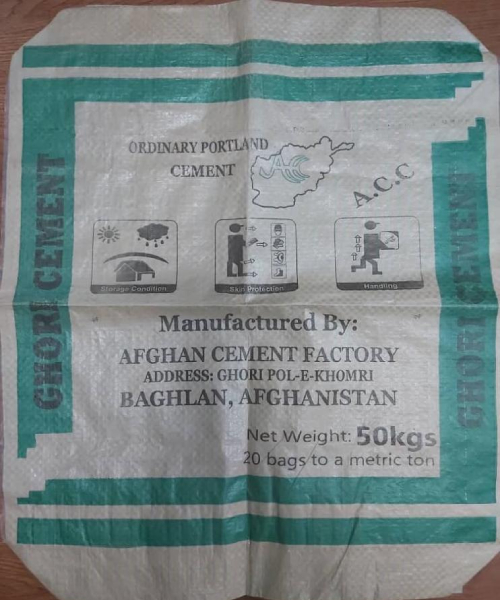
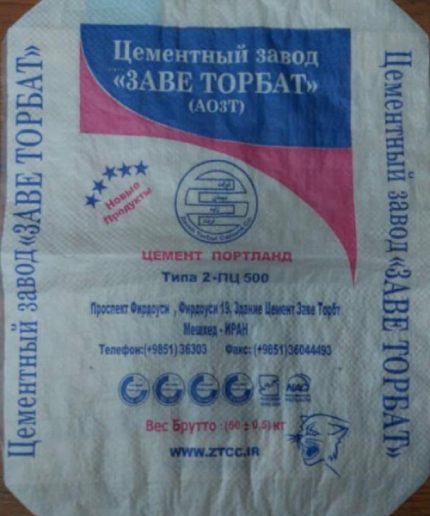
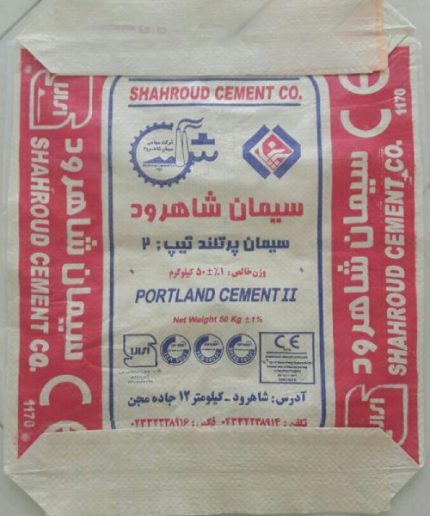
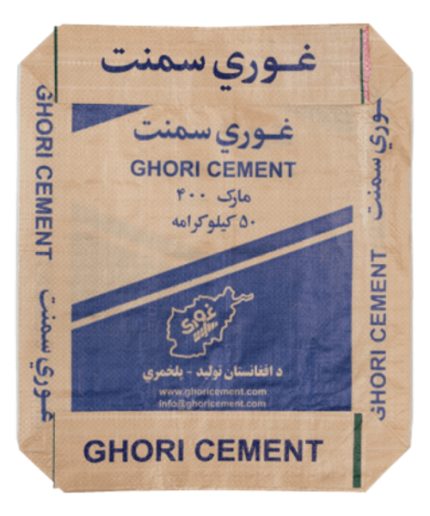
hdpe cement bag
What is an HDPE Cement Bag?
An HDPE cement bag is a type of packaging made from High-Density Polyethylene (HDPE), a durable and flexible plastic material. These bags are specifically designed to store and transport cement safely, protecting it from moisture, dust, and contamination. Unlike traditional paper bags, HDPE cement bags offer enhanced strength and resistance, making them ideal for the rigorous demands of the construction industry.
HDPE bags are lightweight yet robust, providing a reliable barrier against external elements that can compromise the quality of cement. Their ability to withstand rough handling and adverse weather conditions helps ensure that cement remains dry and intact until it reaches the end user. This packaging solution is becoming increasingly popular among manufacturers and builders looking for efficient, long-lasting, and environmentally friendly options.
Advantages of Using HDPE Cement Bags
HDPE cement bags offer numerous benefits that make them a preferred choice in the packaging industry, especially for construction materials like cement:
- Superior Moisture Resistance: One of the biggest threats to cement quality is moisture. HDPE bags provide excellent waterproofing, preventing cement from clumping or hardening due to humidity or water exposure.
- High Durability: HDPE material is tough and tear-resistant, reducing the risk of bag damage during transportation and handling. This durability ensures the cement remains protected throughout its journey from factory to construction site.
- Lightweight and Cost-Effective: Compared to traditional multi-layer paper bags, HDPE bags are lighter, which lowers shipping costs and makes them easier to handle on-site.
- Environmentally Friendly: Many HDPE cement bags are recyclable and can be reused, reducing environmental impact and promoting sustainability in the construction sector.
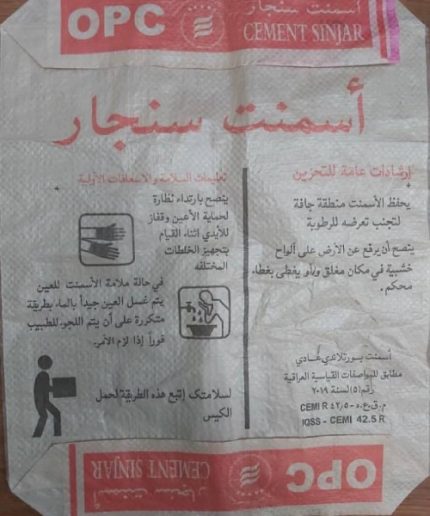
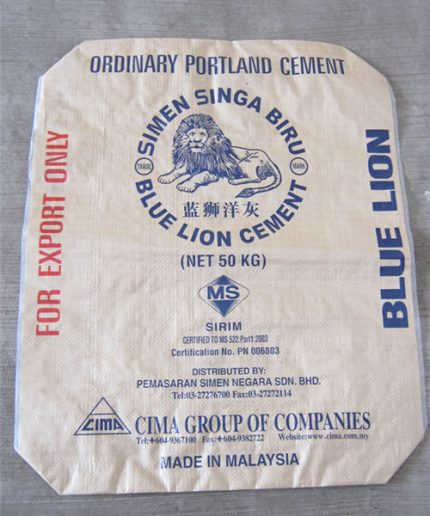
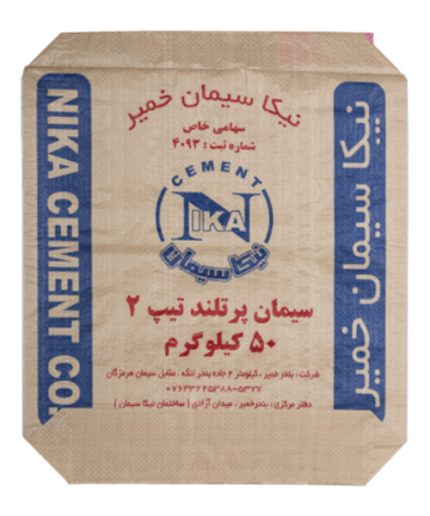
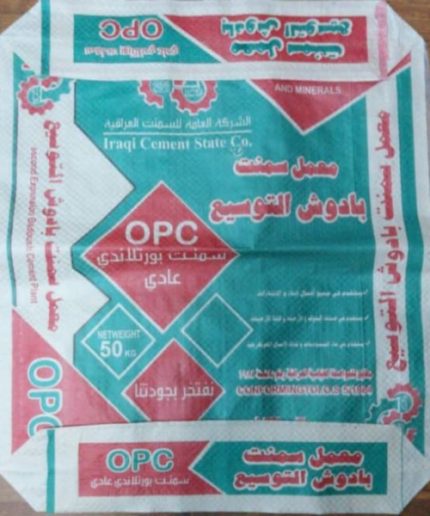
- Better Print Quality: HDPE bags allow for clear, vibrant printing of branding, instructions, and safety information, improving product visibility and customer communication.
Thanks to these advantages, HDPE cement bags are increasingly used worldwide, helping manufacturers maintain product quality and boost customer satisfaction.
How HDPE Cement Bags Protect Cement Quality
Cement is highly sensitive to moisture and environmental conditions, which can drastically affect its performance and shelf life. HDPE cement bags play a crucial role in preserving cement quality by providing a strong, moisture-resistant barrier.
The tightly woven structure of HDPE prevents water vapor and external humidity from seeping into the bag, keeping the cement dry and free-flowing. This protection is vital because even minimal moisture exposure can cause cement to harden prematurely, making it unusable and leading to significant material wastage.
Additionally, HDPE bags resist punctures and tears better than traditional packaging, preventing accidental exposure to contaminants like dust, dirt, and chemicals during transportation and storage. By maintaining the integrity of the cement inside, HDPE bags help contractors and suppliers deliver a reliable, high-quality product that meets construction standards.
Types and Sizes of HDPE Cement Bags
HDPE cement bags come in various types and sizes to meet different packaging and transportation needs within the construction industry. The choice of bag often depends on the amount of cement to be stored, handling requirements, and specific client preferences.
- Woven HDPE Bags: These are made from interlaced HDPE strips, offering superior strength and tear resistance. Woven bags are ideal for heavy-duty applications where durability is critical.
- Non-Woven HDPE Bags: These bags provide a smooth surface, making them suitable for high-quality printing and branding. They offer excellent moisture resistance but are generally lighter than woven types.
- Laminated HDPE Bags: For extra protection, laminated bags combine woven or non-woven HDPE with additional layers like polyethylene film or paper. This enhances waterproofing and mechanical strength, perfect for long-distance shipping and harsh environments.
In terms of sizes, HDPE cement bags typically range from 25 kg to 50 kg capacities, accommodating standard cement packaging needs. Customized sizes are also available based on specific requirements, providing flexibility for manufacturers and suppliers.
Types and Sizes of HDPE Cement Bags:
| Type of HDPE Cement Bag | Description | Key Features | Typical Uses |
| Woven HDPE Bags | Made from interlaced HDPE strips | High strength, tear-resistant, durable | Heavy-duty packaging, rough handling |
| Non-Woven HDPE Bags | Smooth surface, made from bonded HDPE fibers | Lightweight, excellent print quality | Branding, light-to-medium packaging |
| Laminated HDPE Bags | Combination of HDPE with polyethylene film/paper | Enhanced waterproofing and mechanical strength | Long-distance shipping, harsh conditions |
| Size (Capacity) | Description | Common Applications |
| 25 kg Bags | Smaller size, easy handling | Retail packaging, small-scale construction |
| 50 kg Bags | Standard industrial size | Bulk cement packaging, large construction sites |
| Custom Sizes | Tailored to specific requirements | Specialized projects and client requests |
Environmental Benefits of HDPE Cement Bags
In today’s construction industry, sustainability is more important than ever. HDPE cement bags offer several environmental advantages that make them a greener choice compared to traditional packaging options.
- Recyclability: HDPE is a highly recyclable plastic. After use, these cement bags can be collected and processed to create new products, reducing plastic waste and conserving resources.
- Reduced Material Use: HDPE bags require less raw material to manufacture while maintaining strength, leading to a lower carbon footprint in production compared to heavier alternatives like multi-layer paper bags.
- Reusable Potential: Many HDPE cement bags can be reused multiple times for storing other materials or as protective covers, extending their lifecycle and reducing the demand for single-use packaging.
- Lower Environmental Impact: HDPE bags generate less dust and waste during production and transportation, contributing to a cleaner environment on construction sites and beyond.
By choosing HDPE cement bags, manufacturers and contractors contribute to sustainable building practices, supporting global efforts to reduce environmental pollution and promote eco-friendly solutions.
Applications of HDPE Cement Bags in the Construction Industry
HDPE cement bags are widely used across various sectors within the construction industry due to their reliability and protective features. Their primary application is the safe packaging and transportation of cement, but their uses extend beyond that.
- Cement Packaging: The main application of HDPE bags is to securely package cement, ensuring it remains dry and free from contamination during storage and transit.
- Storage of Construction Materials: Besides cement, HDPE bags are used to store other powdered materials like lime, gypsum, and plaster, providing similar protection against moisture and damage.
- Bulk Handling and Distribution: Construction companies rely on HDPE cement bags for bulk handling, as their durability minimizes losses during loading, unloading, and shipping.
- On-Site Protection: HDPE bags can be used at construction sites to temporarily cover and protect cement piles or other materials from rain and dust, helping maintain material quality.
Thanks to their versatility and strength, HDPE cement bags play a vital role in ensuring that building materials arrive in optimal condition, supporting smooth and efficient construction operations.
How to Choose the Right HDPE Cement Bag for Your Needs
Selecting the appropriate HDPE cement bag is essential to protect your cement effectively and optimize costs. Here are key factors to consider when choosing the right bag:
- Strength and Durability: Assess the handling and transportation conditions. For rough handling or long-distance shipping, opt for woven or laminated HDPE bags with enhanced tear resistance.
- Moisture Resistance: Ensure the bag provides adequate waterproofing to protect cement from humidity and rain, especially if storage conditions are not fully controlled. Laminated bags often offer superior moisture barriers.
- Bag Size and Capacity: Choose the size that matches your packaging and logistics needs—commonly 25 kg or 50 kg. Customized sizes may be beneficial for specialized applications.
- Printing and Branding: If branding and clear labeling are important, non-woven HDPE bags with smooth surfaces provide better print quality.
- Environmental Impact: Consider bags made from recyclable or recycled HDPE to support sustainable practices and reduce environmental footprint.
- Cost Efficiency: Balance quality with budget by selecting bags that meet your protection requirements without unnecessary extras.
By carefully evaluating these factors, manufacturers and suppliers can select HDPE cement bags that deliver optimal protection, improve operational efficiency, and align with sustainability goals.
Comparing HDPE Cement Bags with Other Packaging Materials
When it comes to packaging cement, several materials are used, but HDPE bags stand out due to their unique properties. Here’s how HDPE cement bags compare with common alternatives:
| Packaging Material | Durability | Moisture Resistance | Cost | Environmental Impact |
| HDPE Bags | High — resistant to tears and punctures | Excellent — waterproof and moisture-proof | Moderate — cost-effective for quality | Recyclable, reusable, eco-friendly |
| Paper Bags | Moderate — prone to tearing especially when wet | Poor — easily absorbs moisture, risking cement quality | Low — cheaper upfront but higher loss | Biodegradable but single-use, waste generation |
| Polypropylene Bags | High — strong but less flexible than HDPE | Good — resistant to moisture but less so than HDPE | Moderate — similar to HDPE costs | Recyclable but less common recycling facilities |
| Jute Bags | Moderate — natural fiber but less durable | Poor — absorbs moisture, not suitable for cement | Low — inexpensive but not ideal | Biodegradable but short lifespan |
Overall, HDPE cement bags offer a superior balance of durability, moisture protection, and environmental benefits, making them the preferred choice for modern cement packaging.
Tips for Storing and Handling HDPE Cement Bags
Proper storage and handling of HDPE cement bags are essential to maintain the quality of cement and maximize the lifespan of the bags. Follow these practical tips:
- Store in a Dry Place: Always keep HDPE cement bags in a clean, dry, and well-ventilated area to prevent moisture penetration. Avoid direct contact with the ground by using pallets or raised platforms.
- Protect from Sunlight: Although HDPE offers good resistance, prolonged exposure to direct sunlight can degrade the material. Store bags in shaded or covered spaces to prolong their durability.
- Stack Carefully: Stack bags evenly and avoid overloading to prevent crushing or puncturing the lower bags. Use stable stacking techniques to ensure safety and easy access.
- Handle with Care: Use proper lifting equipment or techniques to reduce damage during transportation and loading/unloading. Avoid sharp objects or rough surfaces that could tear the bags.
- First-In, First-Out (FIFO): Use older bags first to prevent long-term storage that may affect cement quality, ensuring fresh materials are always available.
- Inspect Before Use: Check bags for any tears or damages before use, and discard or repair damaged bags to avoid contamination or moisture ingress.
Following these guidelines helps preserve the cement’s integrity, reduces waste, and supports efficient construction operations.
Where to Buy High-Quality HDPE Cement Bags
Finding reliable suppliers of high-quality HDPE cement bags is crucial for manufacturers, distributors, and contractors who want to ensure the best protection for their cement products. Here are some tips to help you source the right bags:
- Specialized Packaging Manufacturers: Look for companies that specialize in industrial packaging, particularly those with experience in cement bag production. They often offer customizable options tailored to your specific needs.
- Certified Suppliers: Choose suppliers who provide quality certifications and comply with industry standards to guarantee durability, moisture resistance, and environmental safety.
- Bulk Purchase Discounts: If you require large quantities, negotiate bulk pricing with suppliers to reduce costs without compromising quality.
- Local vs. International Suppliers: Consider both local manufacturers for faster delivery and lower shipping costs, and international suppliers if you need specific features or advanced bag designs.
- Customer Reviews and Samples: Request product samples before buying in bulk and check customer reviews to assess supplier reliability and product performance.
By partnering with trusted suppliers, you can secure durable and efficient HDPE cement bags that protect your cement, improve logistics, and contribute to successful construction projects.
Reviews
There are no reviews yet.