

Block Bottom Bag for Cement
What is a Block Bottom Bag for Cement?
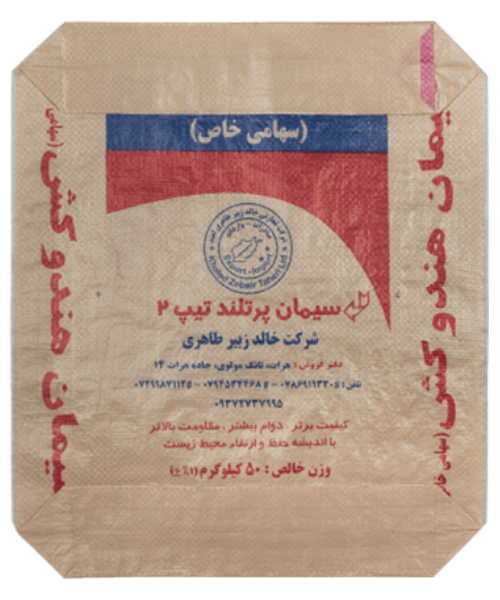
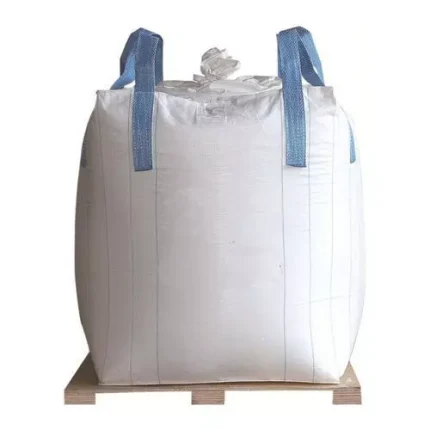
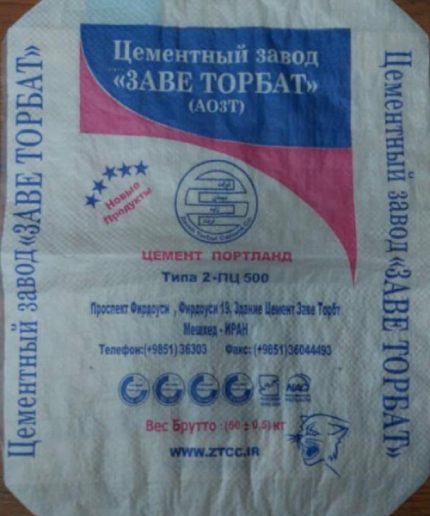
Block bottom bags for cement are specialized packaging solutions designed to securely hold and transport cement with enhanced stability and protection. Unlike traditional bags, these bags feature a flat, square-shaped bottom that allows them to stand upright on their own, making storage and stacking easier and more efficient.
This unique design not only improves the appearance and handling of the cement bags but also maximizes space utilization in warehouses and during transportation. Block bottom bags are widely used in the cement industry because they provide better load distribution and reduce the risk of the bag tipping over or collapsing.
Thanks to these qualities, block bottom bags have become a popular choice for manufacturers and suppliers looking to deliver cement in a reliable and user-friendly package.
Key Features of Block Bottom Cement Bags
Block bottom cement bags are designed with several key features that make them highly effective for packaging and transporting cement:
- Flat, Stable Bottom: The defining feature is the flat square bottom, which enables the bag to stand upright without support, facilitating easier stacking and storage.
- High Strength Material: Typically made from durable materials like woven polypropylene or laminated films, these bags offer excellent tear and puncture resistance.
- Moisture Resistance: Many block bottom bags include layers or coatings that protect the cement from moisture, preventing damage and premature hardening.
- Large Capacity: These bags are often designed to hold standard cement weights, such as 25 kg or 50 kg, but can be customized for specific volume needs.
- Easy Handling: The bag’s shape and sturdy construction allow for efficient handling with machinery or manual labor, reducing damage during transport.
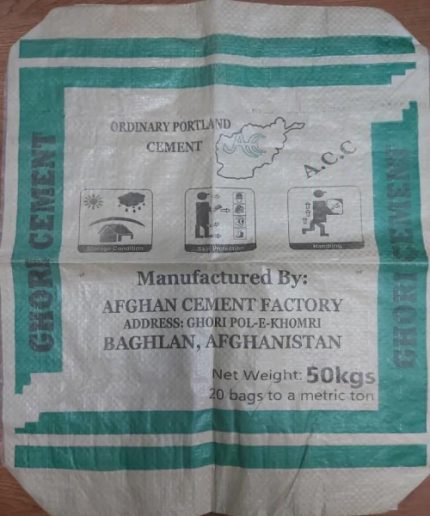
- Custom Printing: Smooth surfaces on laminated block bottom bags enable high-quality printing for branding, instructions, and regulatory information.
These features combine to make block bottom bags a practical and efficient solution for cement packaging, enhancing both the protection of the product and operational workflow.
Key Features of Block Bottom Cement Bags:
| Feature | Description | Benefit |
| Flat, Stable Bottom | Square-shaped bottom allowing the bag to stand upright without support | Easier stacking and storage, space saving |
| High Strength Material | Made from durable woven polypropylene or laminated films | Resistant to tears and punctures |
| Moisture Resistance | Layers or coatings protect against moisture | Prevents cement damage and premature hardening |
| Large Capacity | Standard sizes like 25 kg and 50 kg, customizable | Suitable for various packaging needs |
| Easy Handling | Sturdy construction supports mechanical or manual handling | Reduces damage during transport |
| Custom Printing | Smooth laminated surfaces allow high-quality printing | Enhanced branding and clear labeling |
Advantages of Using Block Bottom Bags in Cement Packaging
Block bottom bags offer numerous advantages that make them a preferred choice in the cement industry:
- Enhanced Stability: Their flat bottom design ensures the bags stand upright, reducing the risk of tipping over during storage and transportation.
- Efficient Space Utilization: Because they stack neatly, warehouses and trucks can maximize available space, improving logistics and reducing costs.
- Improved Protection: Made from robust materials with moisture-resistant layers, these bags protect cement from environmental factors such as humidity and dust.
- User-Friendly Handling: The stable shape and durable construction make these bags easier to handle manually or with machinery, lowering the chance of damage.
- Better Branding Opportunities: The smooth surfaces on laminated block bottom bags provide excellent printing quality for logos, safety instructions, and product details.
- Cost-Effective Packaging: Though sometimes slightly more expensive than traditional bags, the improved protection and handling efficiencies often lead to lower overall costs through reduced losses and better inventory management.
Using block bottom bags not only preserves cement quality but also supports smoother supply chain operations, contributing to higher customer satisfaction.
Materials Used in Block Bottom Cement Bags
The choice of materials for block bottom cement bags plays a crucial role in their performance and durability. Common materials include:
- Woven Polypropylene (PP): A popular choice for its strength, flexibility, and resistance to tearing. Woven PP provides a durable base material that can withstand rough handling.
- Laminated Films: Many block bottom bags feature a laminated layer, combining polypropylene with polyethylene or other films, enhancing moisture resistance and adding extra protection against punctures.
- Coated Paper: In some cases, laminated paper is used as an inner or outer layer to improve print quality and barrier properties while maintaining environmental benefits.
- Additives and UV Stabilizers: To increase lifespan, UV stabilizers are often added to prevent damage from sunlight, especially for bags stored outdoors.
By combining these materials, manufacturers can tailor block bottom bags to meet the specific needs of cement packaging, balancing durability, protection, and cost.
Common Sizes and Capacities of Block Bottom Bags
Block bottom bags for cement typically come in standardized sizes to suit different packaging and handling requirements:
- 25 kg Bags: Ideal for smaller shipments and ease of handling, these bags are popular for retail and small-scale construction projects.
- 50 kg Bags: The most common size used in the cement industry, suitable for bulk packaging and large construction sites.
- Custom Sizes: Some manufacturers offer customized bag sizes and capacities to meet specific client needs, such as larger industrial packages or smaller trial packs.
The dimensions of block bottom bags also vary depending on the cement type and packing machinery used. Their stable square bottoms make stacking and palletizing more efficient regardless of size.
Choosing the right size ensures proper handling, reduces waste, and optimizes storage space in both warehouses and transport vehicles.
Common Sizes and Capacities of Block Bottom Bags for cement:
| Bag Size | Typical Capacity | Common Uses | Benefits |
| 25 kg | 25 kilograms | Small shipments, retail sales, small construction projects | Easier to handle and transport manually |
| 50 kg | 50 kilograms | Bulk packaging, large construction sites | Standard industry size for efficiency |
| Custom Sizes | Varies | Specialized industrial needs, trial packs | Tailored to specific client requirements |
How Block Bottom Bags Improve Cement Handling and Storage
Block bottom bags bring significant improvements to the handling and storage of cement compared to traditional packaging methods:
- Stable Stacking: The flat, reinforced bottom prevents bags from tipping or collapsing, enabling secure and high stacks in warehouses and trucks.
- Reduced Damage: Durable materials and strong seams reduce tearing and punctures during loading, unloading, and transport, protecting the cement inside.
- Optimized Space: Their square shape allows tighter packing without wasted gaps, increasing storage efficiency and reducing transportation costs.
- Ease of Handling: Bags are easier to pick up and move, whether manually or with equipment, reducing labor fatigue and improving safety.
- Better Inventory Management: Uniform bag shape and size make counting and organizing easier, streamlining warehouse operations.
These advantages help cement suppliers maintain product quality and improve operational efficiency throughout the supply chain.
Applications of Block Bottom Bags in the Cement Industry
Block bottom bags are widely used across various sectors within the cement industry due to their practical design and durability. Common applications include:
- Packaging for Ready-Mix Cement: Ensures safe and convenient delivery to construction sites, preventing moisture ingress and damage.
- Bulk Cement Distribution: Ideal for transport and storage in warehouses, allowing efficient stacking and space utilization.
- Retail Packaging: Smaller block bottom bags cater to retail sales, making it easier for customers to handle and store cement.
- Export Packaging: The robust design withstands long-distance shipping, protecting the cement during international transport.
- Industrial Projects: Used in large construction and infrastructure projects requiring reliable packaging to maintain cement integrity.
Thanks to their versatility, block bottom bags support a wide range of cement packaging needs, enhancing product safety and logistics.
Environmental Impact and Sustainability of Block Bottom Bags
As environmental concerns grow, the sustainability of packaging materials in the cement industry is increasingly important. Block bottom bags contribute to eco-friendly practices in several ways:
- Reduced Material Waste: Their durable construction minimizes bag breakage and product loss, reducing waste during transportation and storage.
- Recyclable Materials: Many block bottom bags are made from recyclable polypropylene and laminated films, supporting recycling initiatives.
- Lightweight Design: Compared to some traditional packaging, these bags often use less material while maintaining strength, lowering overall resource consumption.
- Customizable for Eco-Friendly Options: Some manufacturers offer biodegradable or partially biodegradable block bottom bags, combining performance with reduced environmental footprint.
- Lower Carbon Footprint: Efficient stacking and handling reduce transportation volume and trips, indirectly decreasing fuel consumption and emissions.
Choosing sustainable block bottom bags helps cement manufacturers meet regulatory standards and consumer expectations for greener products.
How to Choose the Right Block Bottom Bag for Your Cement
Selecting the right block bottom bag is crucial to ensure the protection and efficient handling of your cement. Consider the following factors:
- Material Quality: Choose bags made from high-quality woven polypropylene with effective lamination to ensure strength and moisture resistance.
- Bag Size and Capacity: Match the bag size (e.g., 25 kg or 50 kg) to your packaging needs and handling capabilities.
- Printing and Labeling Needs: Opt for bags that support high-quality printing for branding, safety instructions, and regulatory compliance.
- Durability Requirements: Assess the environmental conditions (humidity, UV exposure) the bags will face and select materials with UV stabilizers or additional coatings if needed.
- Supplier Reliability: Work with reputable manufacturers who provide certifications, samples, and customizable options to meet your specifications.
- Budget Considerations: Balance cost with quality to get durable bags that protect your product while fitting your financial plans.
By carefully evaluating these factors, you can select block bottom bags that improve product safety, optimize logistics, and support your business goals.
Conclusion
Block bottom bags for cement offer a smart, efficient, and reliable packaging solution that meets the demanding needs of the cement industry. Their unique design provides enhanced stability, improved protection against moisture and damage, and optimized space utilization during storage and transport. Made from durable materials and available in various sizes, these bags cater to a wide range of applications, from small retail packs to large industrial shipments.
Choosing the right block bottom bag ensures better handling, reduces product loss, and supports sustainability goals through recyclable and eco-friendly materials. For cement manufacturers and suppliers, investing in high-quality block bottom bags translates into smoother logistics, cost savings, and increased customer satisfaction.
Embracing block bottom bags is a forward-thinking approach that combines practicality with environmental responsibility, making them an essential part of modern cement packaging.
Reviews
There are no reviews yet.