


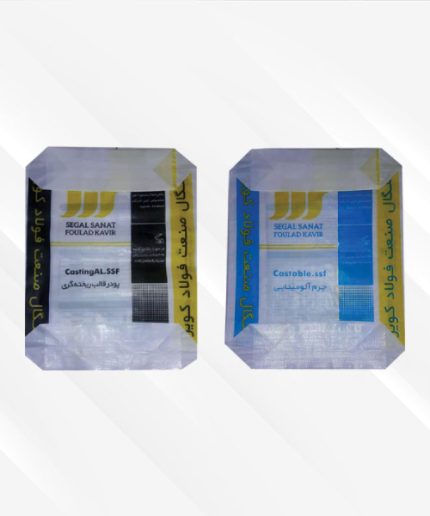
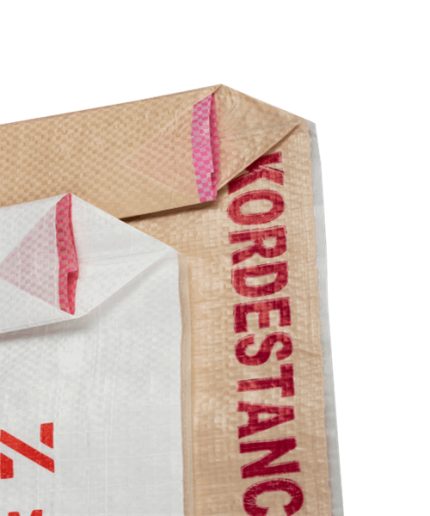
Square Bottom Bag for Chemicals, Fertilizer, Gypsum Powder
Introduction to Square Bottom Bags
Square bottom bags are a popular packaging solution designed to provide stability and efficient storage for various bulk materials. Unlike traditional bags with rounded bottoms, these bags have a flat, square base that allows them to stand upright on shelves or pallets without tipping over. This unique design makes them ideal for packaging and transporting products like chemicals, fertilizers, and gypsum powder.
The square bottom bag’s shape maximizes space utilization both during storage and shipment, helping businesses save on logistics costs. Additionally, these bags offer excellent protection against moisture, contamination, and physical damage, ensuring that the product inside remains intact and safe from external factors.
In industries where bulk powders and granular materials are common, such as agriculture and construction, square bottom bags have become an essential packaging choice due to their strength, durability, and ease of handling.
Key Features of Square Bottom Bags
Square bottom bags come with several features that make them a preferred packaging option for chemicals, fertilizers, and gypsum powder:
- Stable Base: The flat square bottom provides excellent stability, allowing the bag to stand upright without support, reducing the risk of spills and damage.
- Large Capacity: These bags can accommodate a wide range of volumes, making them suitable for bulk packaging needs.
- Durability: Made from strong materials like woven polypropylene or laminated fabrics, they offer high tensile strength and resistance to tearing.
- Moisture Resistance: Often coated or laminated, these bags protect sensitive contents from moisture and humidity, which is critical for chemicals and powders.
- Ease of Handling: Designed for easy filling, stacking, and transportation, square bottom bags improve operational efficiency in warehouses and during shipment.
- Customizable: They can be manufactured in various sizes, thicknesses, and with printed branding or safety information as needed.
These key features ensure that square bottom bags meet the demanding requirements of industries handling bulk powders and granular materials.
Key Features of Square Bottom Bags:
| Feature | Description |
| Stable Base | Flat square bottom allows bags to stand upright without tipping, reducing spills and damage. |
| Large Capacity | Can hold a wide range of volumes suitable for bulk packaging. |
| Durability | Made from strong materials like woven polypropylene with high tear resistance. |
| Moisture Resistance | Often coated or laminated to protect contents from moisture and humidity. |
| Ease of Handling | Designed for easy filling, stacking, and transportation to improve warehouse efficiency. |
| Customizable | Available in various sizes, thicknesses, and with options for printed branding or safety labels. |
Benefits of Using Square Bottom Bags for Chemicals
When it comes to packaging chemicals, safety and durability are top priorities. Square bottom bags offer several benefits that make them ideal for chemical products:
- Enhanced Stability: The flat base prevents tipping, which minimizes the risk of spills and hazardous leaks during storage and transportation.
- Strong Protection: These bags are often made with multi-layered materials that provide excellent resistance to punctures, tears, and chemical corrosion.
- Moisture Barrier: Many square bottom bags come with a moisture-resistant coating or inner lining, protecting sensitive chemicals from humidity and contamination.
- Ease of Handling and Storage: Their shape allows efficient stacking and better space utilization in warehouses, reducing storage costs.
- Compliance and Safety: Custom printing options enable clear labeling of chemical hazards and handling instructions, helping companies meet regulatory requirements.
Overall, square bottom bags offer a safe, efficient, and cost-effective packaging solution that helps maintain the integrity of chemical products throughout their supply chain.
Benefits of Using Square Bottom Bags for Chemicals:
| Benefit | Description |
| Enhanced Stability | Flat base prevents tipping, reducing risk of spills and hazardous leaks. |
| Strong Protection | Multi-layered materials resist punctures, tears, and chemical corrosion. |
| Moisture Barrier | Moisture-resistant coating protects chemicals from humidity and contamination. |
| Ease of Handling & Storage | Shape allows efficient stacking and better space use, lowering storage costs. |
| Compliance and Safety | Custom printing for hazard labeling and handling instructions to meet regulations. |
dvantages in Fertilizer Packaging
Square bottom bags are especially popular in the fertilizer industry due to their practical benefits:
- Improved Stability: The flat base ensures bags stay upright during storage and transport, preventing spills and product loss.
- High Load Capacity: These bags can safely hold heavy loads of granular or powdered fertilizers without tearing or bursting.
- Protection Against Moisture: Fertilizers are sensitive to moisture, and the bags’ moisture-resistant materials help preserve product quality and effectiveness.
- Easy Handling: The bags can be stacked efficiently, improving warehouse organization and reducing handling time.
- Custom Branding and Information: Fertilizer manufacturers can print product details, safety instructions, and branding directly on the bag, enhancing market presence.
- Cost-Effective Packaging: Their durability and reusability help reduce overall packaging costs compared to less sturdy options.
These advantages make square bottom bags an excellent choice for fertilizer packaging, ensuring product safety and operational efficiency.
Suitability for Gypsum Powder
Gypsum powder requires packaging that protects it from moisture and mechanical damage while being easy to handle. Square bottom bags are well-suited for this purpose due to several factors:
- Stable Shape: The flat base allows the bags to stand upright, reducing the risk of spills and facilitating stacking on pallets or shelves.
- Strong Material: Made from durable woven polypropylene or laminated fabrics, these bags withstand the abrasive nature of gypsum powder during transport and storage.
- Moisture Protection: Gypsum is highly sensitive to moisture, and square bottom bags often feature moisture-resistant coatings to keep the powder dry and maintain its quality.
- Efficient Handling: The bags’ design allows for easy filling, sealing, and transport, optimizing warehouse and logistics operations.
- Customizable Sizes: Square bottom bags can be produced in different sizes and thicknesses to accommodate varying quantities of gypsum powder.
Thanks to these features, square bottom bags are widely used in the construction industry to package and transport gypsum powder safely and efficiently.
Materials and Manufacturing Process
Square bottom bags are typically made from durable materials designed to protect and preserve the contents:
- Woven Polypropylene (PP): This is the most common material, offering high strength, flexibility, and resistance to tearing and punctures.
- Laminated Fabrics: For additional protection, bags may be laminated with layers of polyethylene (PE) or polyethylene terephthalate (PET), which enhance moisture resistance and chemical barrier properties.
- Coatings: To further improve resistance against moisture, UV rays, and abrasion, specialized coatings may be applied during manufacturing.
- Printing: Modern manufacturing techniques allow for high-quality printing on the bags, including logos, product information, safety warnings, and regulatory details.
- Sealing and Stitching: Advanced sealing technologies (heat sealing, ultrasonic welding) and reinforced stitching ensure the bags can withstand heavy loads and rough handling without failure.
The manufacturing process balances durability, cost-efficiency, and environmental considerations to produce bags that meet the specific needs of industries like chemicals, fertilizers, and gypsum powder packaging.
Customization and Design Options
Square bottom bags offer versatile customization options to meet the specific needs of different industries:
- Size and Capacity: Bags can be manufactured in various sizes and thicknesses to accommodate different quantities of chemicals, fertilizers, or gypsum powder.
- Printing and Branding: Full-color printing allows companies to showcase their logos, product information, safety instructions, and regulatory compliance marks directly on the bags.
- Material Choices: Depending on the product, bags can be made from standard woven polypropylene, laminated materials, or include special coatings for moisture and UV protection.
- Closure Types: Options include sewn closures, heat sealing, or zip-lock styles to ensure secure packaging and easy opening.
- Additional Features: Ventilation holes for aeration, gussets for expanded capacity, or handles for easier carrying can also be added based on customer requirements.
These customization options make square bottom bags not only functional but also a valuable marketing tool that enhances product presentation and customer convenience.
Environmental Impact and Sustainability
With growing environmental concerns, the sustainability of packaging materials is becoming increasingly important. Square bottom bags offer several eco-friendly benefits and considerations:
- Recyclable Materials: Most square bottom bags are made from polypropylene, a recyclable plastic that can be processed into new products, reducing waste.
- Reduced Material Usage: Their efficient design allows for strong packaging with minimal material, lowering overall plastic consumption.
- Reusability: Durable construction enables bags to be reused multiple times in some cases, extending their lifecycle.
- Innovations in Biodegradable and Compostable Options: Manufacturers are developing bags with biodegradable coatings and eco-friendly materials to minimize environmental impact.
- Proper Disposal and Recycling Programs: Encouraging responsible disposal and participation in recycling initiatives helps maximize environmental benefits.
Choosing square bottom bags with sustainability in mind helps industries reduce their ecological footprint while maintaining product safety and quality.
Reviews
There are no reviews yet.