

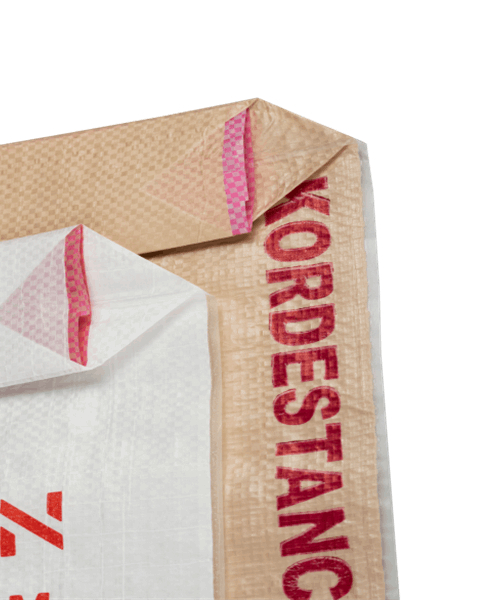
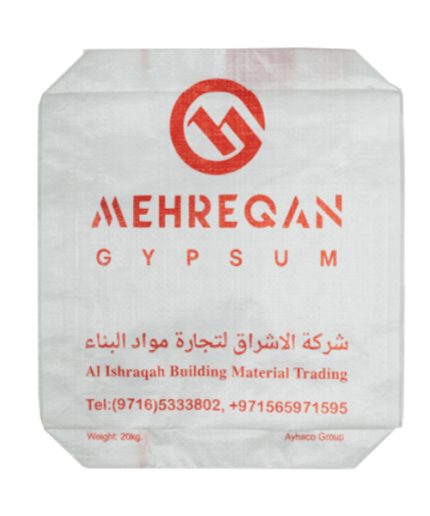
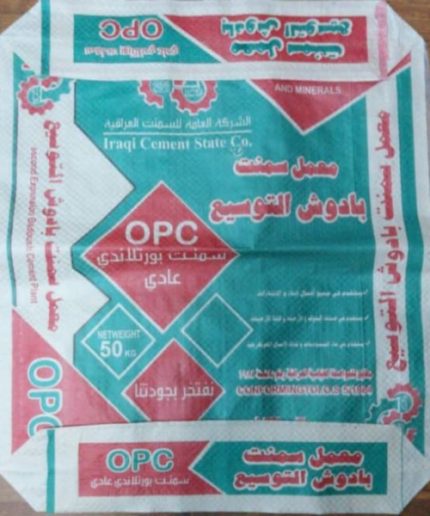
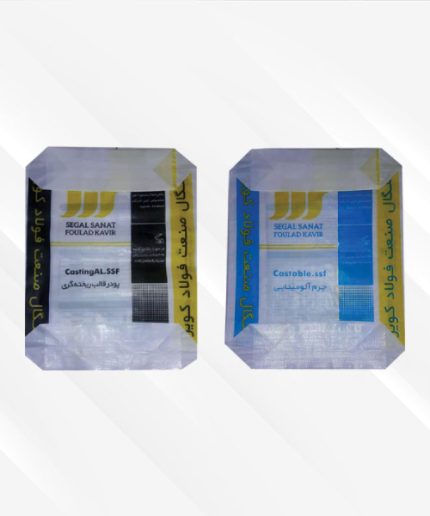
Valve Bag for Chemicals, Fertilizer, Gypsum Powder
Introduction to Valve Bags
Valve bags are specialized packaging solutions designed primarily for bulk powders and granular materials. Their distinctive feature is a self-closing valve, usually located on the side or top, which allows for easy filling by machines and prevents product leakage after filling. This makes valve bags especially useful in industries handling chemicals, fertilizers, and gypsum powder.
The design of valve bags improves filling efficiency, reduces dust emissions during packaging, and enhances product protection during storage and transport. They are widely used where fast, reliable, and clean packaging is critical, offering a convenient solution for both manufacturers and end-users.
Valve bags come in various sizes and materials, tailored to the needs of different products, making them an essential packaging option in agriculture, construction, and chemical sectors.
Key Features of Valve Bags
Valve bags are engineered with features that make them ideal for packaging bulk powders such as chemicals, fertilizers, and gypsum powder:
- Self-Closing Valve: The built-in valve allows quick and efficient filling while automatically sealing the bag after filling to prevent spillage and contamination.
- High Strength Materials: Typically made from woven polypropylene or laminated fabrics, valve bags provide excellent durability and resistance to tearing.
- Dust Resistance: The valve design minimizes dust escape during filling, making the process cleaner and safer for workers and the environment.
- Moisture Barrier: Many valve bags feature coatings or laminations that protect contents from moisture and humidity, critical for chemical and fertilizer products.
- Stackable and Stable: Designed to be sturdy and stable when stacked, facilitating efficient storage and transportation.
- Customizable: Available in various sizes and with options for printed branding, safety instructions, and regulatory information.
These features ensure valve bags deliver effective protection, convenience, and cost-efficiency for packaging bulk materials.
Key Features of Valve Bags:
| Feature | Description |
| Self-Closing Valve | Allows quick filling and automatically seals to prevent spillage and contamination. |
| High Strength Materials | Made from woven polypropylene or laminated fabrics for durability and tear resistance. |
| Dust Resistance | Valve design minimizes dust escape during filling, ensuring a cleaner and safer environment. |
| Moisture Barrier | Coatings or laminations protect contents from moisture and humidity. |
| Stackable and Stable | Sturdy construction enables efficient stacking and transportation. |
| Customizable | Available in different sizes with options for printed branding and safety/regulatory information. |
Benefits of Using Valve Bags for Chemicals
Valve bags provide several advantages when used for chemical packaging, ensuring safety, efficiency, and product integrity:
- Enhanced Sealing: The self-closing valve prevents leaks and contamination, keeping chemicals secure during handling and transport.
- Improved Filling Speed: Automated filling systems can quickly and cleanly fill valve bags, increasing productivity and reducing labor costs.
- Reduced Dust Exposure: The valve mechanism limits dust emissions, protecting workers’ health and minimizing environmental pollution.
- Durability: Valve bags are designed to withstand rough handling and resist punctures, tears, and chemical corrosion.
- Clear Labeling: Printed valve bags help communicate hazard warnings and handling instructions, improving compliance with safety regulations.
- Space Efficiency: The bags are stackable and maintain their shape, optimizing warehouse storage and transport logistics.
These benefits make valve bags a trusted choice for chemical manufacturers aiming to balance safety and operational efficiency.
Advantages of Valve Bags in Fertilizer Packaging
Valve bags are widely used in the fertilizer industry due to their specific design and protective qualities:
- Easy and Efficient Filling: The valve opening allows fast, automated filling without manual labor, boosting packaging throughput.
- Secure Closure: The self-sealing valve ensures fertilizers remain contained, preventing spillage and product loss during transportation and storage.
- Protection from Moisture: Many valve bags come with moisture-resistant coatings, crucial for maintaining fertilizer quality and preventing clumping.
- Durability: Made from strong materials, valve bags resist punctures and tears even when handling heavy granular fertilizers.
- Improved Handling and Storage: Their stable shape and stackability improve warehouse organization and reduce storage space requirements.
- Branding and Labeling: Custom printing options enable manufacturers to display product information, safety guidelines, and branding clearly on the bags.
These advantages make valve bags an efficient, safe, and cost-effective packaging solution for fertilizers.
Advantages of Valve Bags in Fertilizer Packaging:
| Advantage | Description |
| Easy and Efficient Filling | Valve opening allows fast, automated filling, increasing packaging speed and reducing labor costs. |
| Secure Closure | Self-sealing valve prevents spillage and product loss during storage and transport. |
| Moisture Protection | Moisture-resistant coatings keep fertilizers dry and prevent clumping. |
| Durability | Strong materials resist punctures and tears, ensuring safe handling of heavy fertilizers. |
| Improved Handling & Storage | Stable shape and stackability optimize warehouse space and simplify storage. |
| Branding & Labeling | Custom printing options for clear display of product info, safety guidelines, and branding. |
Suitability of Valve Bags for Gypsum Powder
Valve bags are an excellent choice for packaging gypsum powder due to their design and protective features:
- Efficient Filling: The valve opening facilitates quick, dust-free filling of gypsum powder, which is often fine and prone to creating dust clouds.
- Strong Sealing: The self-closing valve prevents leakage and keeps the powder contained, maintaining product quality.
- Moisture Resistance: Gypsum powder is highly sensitive to moisture, and valve bags often include moisture barriers to protect the powder from humidity.
- Durability: Constructed from robust materials, valve bags resist punctures and abrasions during handling and transport.
- Stackable Design: Their stable structure allows for easy stacking and organized storage, reducing space usage in warehouses and transport vehicles.
Because of these benefits, valve bags are widely used in the construction and building materials industry to safely package and transport gypsum powder.
Materials and Manufacturing Process
Valve bags are manufactured using materials and techniques designed to ensure strength, durability, and protection for bulk powders like chemicals, fertilizers, and gypsum powder:
- Primary Materials: Most valve bags are made from woven polypropylene (PP), offering excellent tensile strength and resistance to tearing.
- Laminations and Coatings: To enhance moisture barrier properties and chemical resistance, bags are often laminated with polyethylene (PE), polyethylene terephthalate (PET), or other polymer layers.
- Valve Construction: The valve is typically formed by folding and sealing a section of the bag material, creating a self-closing opening that allows fast, dust-free filling.
- Sealing and Stitching: High-quality stitching or heat sealing ensures the bag can withstand heavy loads and rough handling without failure.
- Printing: Modern printing technologies enable clear branding, product details, safety instructions, and compliance information directly on the bag surface.
This manufacturing process balances protection, efficiency, and cost-effectiveness, making valve bags suitable for industrial applications.
Customization and Printing Options
Valve bags can be tailored to meet specific needs across various industries, offering a range of customization options:
- Size and Thickness: Bags can be produced in multiple sizes and material thicknesses to accommodate different weights and volumes.
- Valve Position and Design: Customizable valve placement (side or top) and design to suit different filling equipment and processes.
- Printing: Full-color printing allows for branding, product information, safety warnings, and regulatory compliance marks directly on the bag.
- Material Choices: Options include standard woven polypropylene, laminated materials, or bags with special coatings for enhanced moisture and UV resistance.
- Additional Features: Features such as handles, gussets, or ventilation holes can be added to improve handling, storage, and product aeration.
These options allow manufacturers to create packaging that not only protects the product but also promotes brand recognition and meets industry standards.
Customization and Printing Options for Valve Bags:
| Customization Aspect | Description |
| Size and Thickness | Various sizes and material thicknesses to fit different weights and volumes. |
| Valve Position and Design | Valve placement can be customized (side or top) to match filling equipment needs. |
| Printing | Full-color printing for branding, product info, safety warnings, and compliance labels. |
| Material Choices | Options include woven polypropylene, laminated materials, and moisture/UV-resistant coatings. |
| Additional Features | Handles, gussets, ventilation holes, and other features to enhance handling and storage. |
Environmental Considerations and Sustainability
As sustainability becomes a priority across industries, valve bags are evolving to address environmental concerns:
- Recyclability: Valve bags are primarily made from polypropylene, which is recyclable. Proper disposal and recycling programs help reduce plastic waste.
- Material Efficiency: Their efficient design uses minimal material while maintaining strength, reducing overall plastic consumption.
- Reusability: Some valve bags are designed for reuse, extending their lifespan and reducing environmental impact.
- Biodegradable Alternatives: Manufacturers are developing biodegradable or compostable coatings to minimize ecological footprints.
- Reduced Carbon Footprint: Lightweight valve bags reduce transportation emissions compared to heavier packaging options.
- Responsible Waste Management: Encouraging users to participate in recycling programs ensures better environmental outcomes.
By choosing sustainable valve bags, companies can meet packaging needs while supporting environmental stewardship.
Reviews
There are no reviews yet.