

Laminated vs. Unlaminated PP Bags: Which One Do You Need?

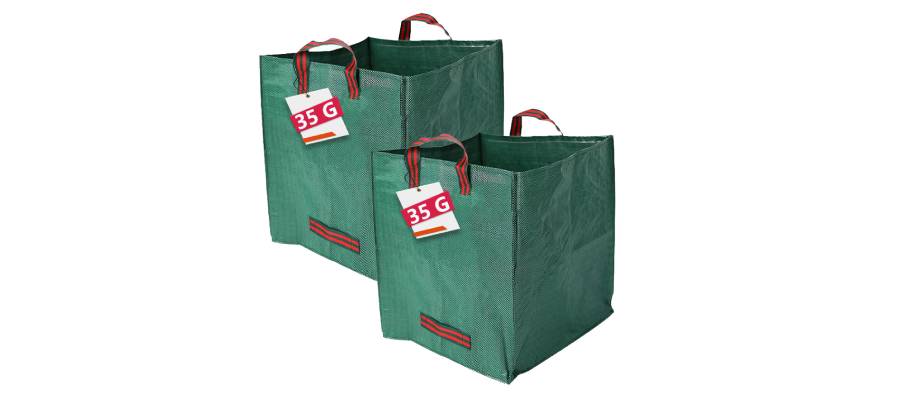
Polypropylene (PP) bags are widely used in industries ranging from agriculture and food to construction and chemicals. One of the most important choices businesses face is deciding between laminated and unlaminated PP bags. Both types are strong, durable, and cost-effective, but each has unique features that make it suitable for specific applications. Let’s break down the differences so you can choose the right option for your business.
1. Structure and Design
Unlaminated PP bags are made from woven polypropylene tapes without any additional coating. They are breathable, flexible, and lightweight. Laminated PP bags, on the other hand, have an extra protective layer—usually polypropylene film or BOPP (biaxially oriented polypropylene)—applied on top of the woven fabric. This layer provides a smoother surface and adds protective properties.
2. Moisture Resistance
One of the key benefits of laminated PP bags is their superior resistance to moisture. The laminated coating acts as a barrier, preventing water, humidity, or dust from reaching the contents. This makes them ideal for packaging products that are sensitive to moisture such as cement, flour, sugar, and fertilizers. In contrast, unlaminated bags allow more airflow and are better suited for products like vegetables, onions, or seeds where breathability is an advantage.
3. Durability and Protection
Both laminated and unlaminated PP bags are durable, but laminated bags provide extra strength against punctures and external damage. They are more resistant to rough handling and stacking, which makes them particularly suitable for heavy-duty applications.
4. Print Quality and Branding
If branding and appearance matter, laminated PP bags are the better choice. Their smooth surface supports high-quality printing, including full-color graphics, brand logos, and detailed product information. This makes them popular in retail-oriented industries. Unlaminated bags, with their rougher surface, typically support simpler print designs but are still widely used where branding is less of a priority.
5. Cost Considerations
Unlaminated PP bags are generally more cost-effective, making them a good option for businesses that prioritize basic functionality over advanced protection or high-quality visuals. Laminated PP bags, while slightly more expensive, offer added value in terms of product safety and market appeal.
Conclusion
The choice between laminated and unlaminated PP bags depends on your product and business needs. If you need moisture protection, durability, and strong branding, laminated PP bags are the way to go. If you require breathability, simplicity, and lower costs, unlaminated PP bags will serve you well. Understanding these differences will help you pick the most efficient packaging solution for your industry.